Elegant Modern Porcelain Pendant Lights for Interiors
Porcelain pendant lights offer a fantastic blend of timeless elegance and contemporary style, making them a superb choice for illuminating modern interiors. They’re not just about light; they’re about adding a touch of sophisticated artistry to your space. You get the warmth and unique texture of ceramic, but with a refined, sometimes almost translucent, finish that feels very current. If you’re looking for lighting that stands out without shouting, porcelain pendants are definitely worth exploring.
When we talk about modern decor, we’re often looking for clean lines, natural materials, and pieces that serve a purpose while also contributing aesthetically. Firimbi porcelain pendant lights fit this bill perfectly. Their appeal lies in a few key areas that make them distinct from other lighting options.
The Material Advantage: Beyond Just “Ceramic”
Porcelain isn’t just any ceramic; it’s a specific type known for its high density, low porosity, and often, a certain level of translucence. This makes it incredibly durable and resistant to chips, which is a practical consideration for any fixture. But aesthetically, its smooth, often matte or satin finish is what really shines.
A Refined Texture
Unlike coarser ceramics or industrial metals, porcelain has a finely grained surface that feels smooth and soft to the touch. This subtle texture adds depth without being overwhelming, allowing the light fixture to integrate seamlessly into a modern scheme that values understated luxury.
Light Diffusion Qualities
One of the most appealing characteristics of porcelain, especially thinner pieces, is its ability to diffuse light. Instead of a harsh, directional beam, you often get a gentle, warm glow that emanates from the shade itself. This creates a softer ambiance, perfect for living areas, dining rooms, or bedrooms where you want a calming atmosphere.
Bridging Classic and Contemporary Styles
Porcelain has been around for centuries, often associated with delicate tableware and traditional decor. However, modern manufacturing techniques and design approaches have completely reimagined its use in lighting.
A Nod to Artisanal Craftsmanship
Even with streamlined designs, there’s an inherent sense of craftsmanship associated with porcelain. Each piece often feels individual, even when mass-produced, carrying a subtle imperfection that speaks to its material origin. This artisanal touch contrasts beautifully with the uniformity of much modern mass production.
Seamless Integration
Despite its classic roots, porcelain works incredibly well with contemporary materials like blackened steel, brass, or even raw concrete. The contrast between the refined porcelain and a more industrial or earthy material creates visual interest and helps “ground” a modern space.
Key Design Considerations for Your Space
Choosing the right porcelain pendant involves more than just picking a pretty shape. Thinking about how it will function and integrate into your room is crucial.
Size and Scale: Don’t Underestimate the Impact
The size of your pendant light needs to be proportionate to the space it occupies and the furniture it’s illuminating. A common mistake is going too small, which can make a room feel unbalanced.
Over a Dining Table
For a dining table, a single large pendant or a cluster of smaller ones can create a focal point. Ensure the diameter (or combined width of a cluster) is roughly one-half to two-thirds the width of your table. This keeps it from looking dwarfed or, conversely, overwhelming the eating surface.
In a Living Area
In a general living area, if it’s the primary source of ambient light, a larger, diffused porcelain pendant can be stunning. If it’s more of an accent piece, perhaps over a reading nook or a coffee table, a slightly smaller but equally impactful design might be suitable.
Kitchen Islands
Kitchen islands are perfect candidates for multiple, evenly spaced pendants. The rule of thumb for spacing is often about 24-30 inches between the centers of each pendant, ensuring even illumination and a visually pleasing rhythm. The size of each individual pendant should also be considered relative to the island’s length and width.
Finish and Color Palette: Beyond Plain White
While natural white or off-white porcelain is undeniably popular, don’t limit your options. Modern porcelain pendants come in a surprising array of finishes and colors.
Matte vs. Glazed
A matte finish offers a soft, almost velvety appearance that absorbs light, creating a very subtle statement. Glazed porcelain, on the other hand, can have a glossy sheen that reflects light beautifully, adding a touch more sparkle and defining the curves of the fixture more sharply.
Earth Tones and Pastels
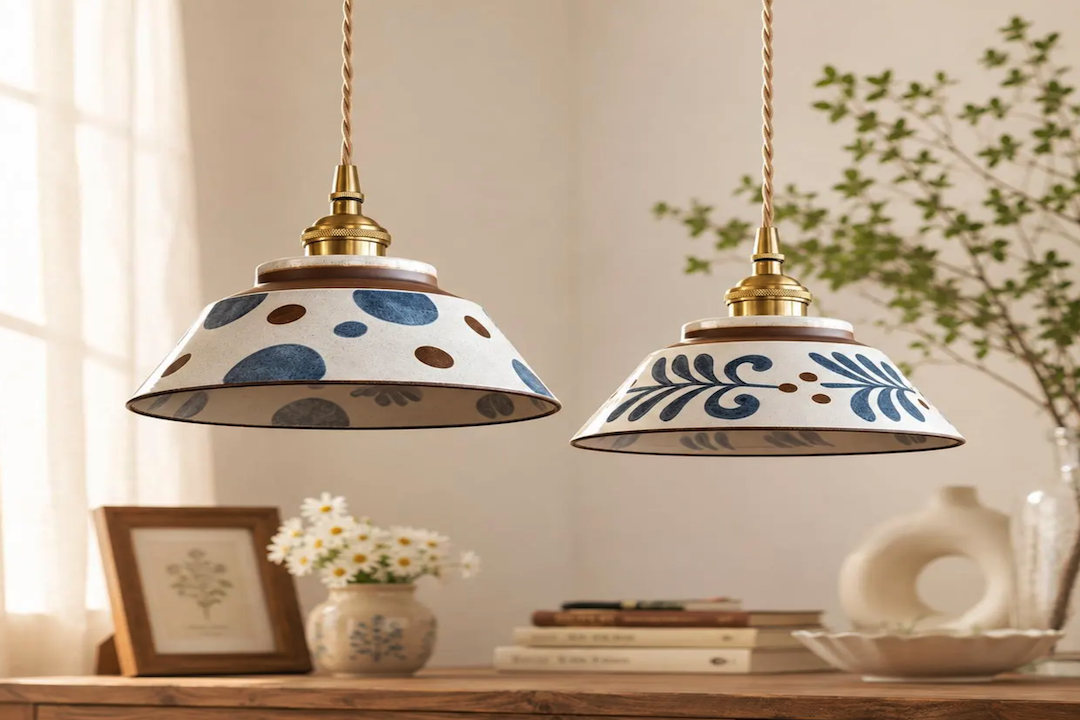
Beyond white, you’ll find porcelain pendants in sophisticated earth tones like terracotta, sage green, charcoal grey, and even soft blush pinks or muted blues. These colors can introduce warmth or a subtle pop of color without being overtly bright, fitting perfectly into a modern, minimalist palette.
Exposed Clay Details
Some designs intentionally leave parts of the porcelain unglazed or even textured, exposing the raw clay. This adds an organic, wabi-sabi feel that can be incredibly grounding and appealing in a space focused on natural materials.
Suspension and Hardware: The Supporting Role
The details of how the pendant is suspended can significantly alter its overall look and feel. The cord, canopy, and any metallic elements play a crucial role.
Cord Types
Consider whether you want a simple fabric-wrapped cord (often in contrasting colors like black or grey for a modern edge) or a more industrial-looking chain or rigid metal stem. Fabric cords tend to be softer and more organic, while stems offer a more structured, architectural feel.
Metallic Accents
Many porcelain pendants incorporate brass, bronze, black steel, or brushed nickel elements in their canopies or lamp holders. These metallic accents can either draw attention to themselves or subtly complement the porcelain, reinforcing the modern aesthetic. Choose a metal finish that either matches other hardware in your room or offers a pleasing contrast.
Popular Styles and Where They Fit Best
Modern porcelain pendants aren’t a single monolithic category. They encompass a range of styles, each with its own character and ideal placement.
Minimalist Bowls and Domes
These are perhaps the most archetypal modern porcelain pendants. Think clean, elegant forms – perfect half-spheres, shallow bowls, or refined bell shapes.
Kitchen Islands and Dining Rooms
Their simplicity makes them incredibly versatile. Over a kitchen island, a row of three matching dome pendants provides focused task lighting while maintaining a clean visual line. Over a dining table, a single, larger bowl pendant can act as a stunning centerpiece without interrupting conversation.
Entryways and Hallways
A minimalist porcelain pendant in an entryway offers a soft, welcoming glow without cluttering the space. For longer hallways, several smaller ones evenly spaced can create a rhythmic, inviting path.
Sculptural and Organic Forms
Moving beyond simple geometry, many designers are experimenting with porcelain to create more artistic, flowing shapes. These often feel more like art installations than mere light fixtures.
Living Room Focal Points
A particularly beautiful sculptural porcelain pendant can serve as a primary art piece in a living room. Imagine a piece with subtle ripples, folds, or an irregular, handmade-looking edge. Its unique form adds intrigue and conversation.
Bedroom Ambiance
In a bedroom, a sculptural pendant with soft, diffused lighting can contribute to a serene, spa-like atmosphere. Look for forms that feel calming and natural, perhaps mimicking organic shapes found in nature.
Ribbed and Fluted Designs
Adding texture through subtle surface detailing is a popular trend. Ribbed or fluted porcelain pendants create intriguing shadows and highlights, adding visual depth.
Bathrooms and Powder Rooms
A small, ribbed porcelain pendant in a bathroom can introduce an element of spa-like luxury. The texture catches the light beautifully, enhancing the serene feel of the space.
Reading Nooks
In a reading nook, a fluted pendant provides aesthetic interest even when turned off, and its diffused light can be perfect for creating a cozy, inviting atmosphere for relaxation.
Installation Tips for Optimal Glow
Getting the physical installation right is as important as choosing the right fixture. These tips focus on practical aspects that impact both function and aesthetics.
Height is Everything
One of the most common mistakes is hanging pendants too high or too low. There are general guidelines, but always consider the specific space and the people using it.
Over a Dining Table
The bottom of the pendant should typically be about 30-36 inches above the tabletop. This allows for clear sightlines across the table without guests bumping their heads, while still providing good illumination.
Over a Kitchen Island or Counter
Similar to dining tables, aim for 30-36 inches above the counter for task lighting. If the pendant is purely decorative and higher up, it can sometimes be adjusted, but for practical use, this height range is usually ideal.
General Walkways and Open Areas
In areas where people walk underneath, ensure the bottom of the pendant is at least 7 feet (84 inches) from the floor to avoid head bumps. In spaces with high ceilings, you might even go higher to maintain proportionality.
Dimmer Switches: A Must-Have
For almost any pendant light, especially one acting as a primary light source or ambiance setter, a dimmer switch is invaluable.
Ambiance Control
A dimmer allows you to adjust the light output from bright task lighting to a soft, warm glow, instantly transforming the mood of a room. This is particularly useful in dining areas, living rooms, and bedrooms.
Energy Efficiency
Dimming lights can also extend the life of your bulbs and save a bit on electricity, though this is a secondary benefit to the atmospheric control.
Bulb Choice: Beyond the Fixture Itself
The type of light bulb you use in your porcelain pendant can dramatically alter its performance and aesthetic.
Warm White vs. Cool White
For home interiors, especially with natural materials like porcelain, a warm white (2700K-3000K) LED bulb is almost always preferred. It creates a cozy, inviting atmosphere that complements the material beautifully. Cool white (4000K and above) tends to feel harsher and more clinical, generally better suited for task-specific areas like offices or commercial spaces if absolutely necessary.
Shape and Visibility
If the bulb is visible, consider its shape. Edison-style bulbs with visible filaments can add a vintage touch to an otherwise modern fixture, while frosted or opal bulbs provide a more uniform, diffused light. Many modern LED bulbs are designed to mimic these traditional shapes while being far more energy-efficient.
Brightness (Lumens)
Pay attention to the lumen output (brightness) of the bulb. You want enough light for the function of the space without overdoing it. A typical living room might need a total of 1500-3000 lumens, distributed across various light sources. For a single pendant, 600-800 lumens is often a good starting point, adjustable with a dimmer.
Maintenance and Longevity
Porcelain is a durable material, but a little care goes a long way in keeping your pendants looking their best.
Simple Cleaning Rituals
Generally, porcelain is easy to clean. Dust regularly with a soft, dry cloth or a feather duster.
Dealing with Smudges
For smudges or light grime, a damp cloth with a mild, non-abrasive cleaner (like diluted dish soap) will usually suffice. Always wipe with a clean, dry cloth afterward to prevent water spots, especially on unglazed or matte finishes.
Avoiding Harsh Chemicals
Steer clear of harsh chemical cleaners or abrasive scrubbers, as these can damage the finish, especially on delicate glazes or hand-painted details.
Inspecting Hardware
Occasionally check the suspension cables, chains, and electrical fittings to ensure everything is secure and in good working order. Any signs of fraying or loose connections should be addressed by a qualified electrician.
In summary, elegant modern porcelain pendant lights are far more than just light sources; they are thoughtfully designed elements that infuse character, warmth, and sophistication into contemporary spaces. Their blend of robust material, refined aesthetics, and versatile styling makes them a fantastic investment for anyone looking to elevate their interior design. By considering the size, finish, and placement carefully, you can select the perfect porcelain pendant to beautifully illuminate and define your home.