Rustic Farmhouse Dining: Wood Frame Chandelier
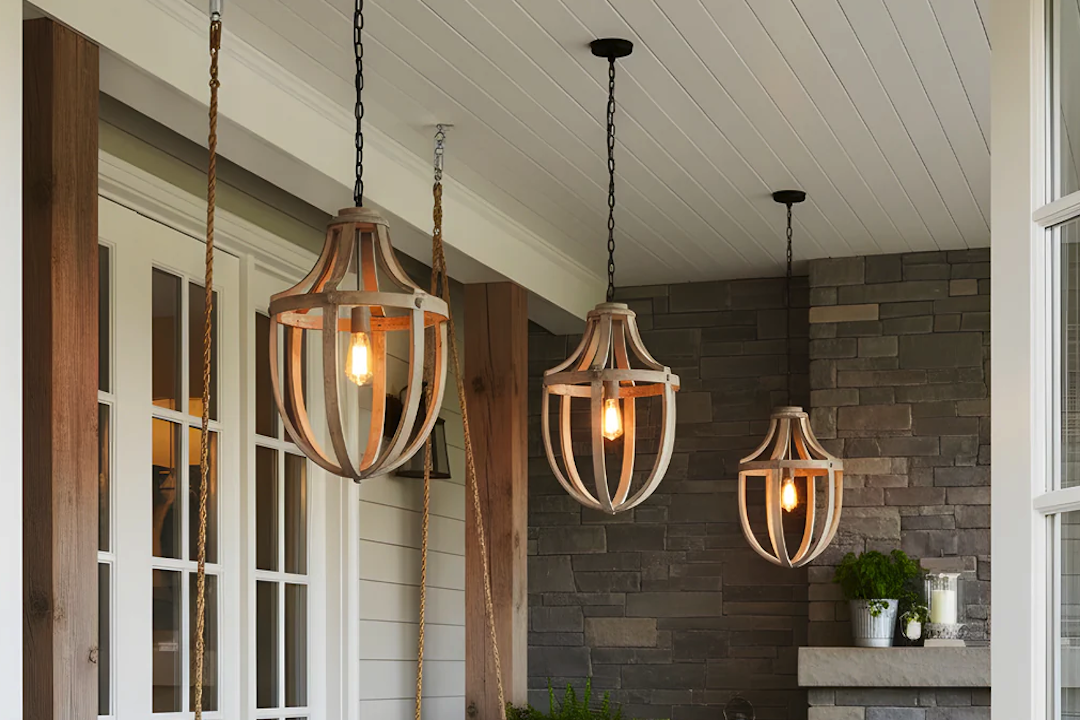
So, you’re looking for the lowdown on wood frame chandeliers for your rustic farmhouse dining area, huh? Good choice! The short answer is they’re a fantastic, often surprisingly versatile lighting option that can truly anchor your space, bringing warmth and a touch of the outdoors in. They’re not just for farmhouses anymore; these fixtures blend beautifully with various décor styles, and with so many designs available, you’re bound to find one that speaks to your taste. But let’s dive deeper into what makes them such a popular and practical pick.
Sure, they look great, but there’s more to these fixtures than meets the eye. They offer a unique blend of aesthetics and functionality that sets them apart from your standard metal or crystal chandelier Sktong.
The Allure of Natural Materials
There’s something inherently appealing about wood. It’s organic, it’s warm, and it carries a sense of history. In a dining room, where people gather and share, this material can create an inviting and comfortable atmosphere.
- Tactile Appeal: Unlike cold metal, wood adds a softness and a connection to nature that can be grounding, making your dining space feel less sterile and more lived-in.
- Unique Grains and Textures: Every piece of wood is unique. The knots, the individual grain patterns, the subtle variations in color – these aren’t imperfections; they’re character. This means your chandelier won’t just be a light fixture, but your unique light fixture.
- Durability and Longevity: While proper care is always a good idea, well-constructed wooden fixtures can last a very long time, often outliving trends and maintaining their charm.
Blending Styles Seamlessly
Don’t let the “farmhouse” in the name fool you. While they are a staple in rustic and farmhouse décor, wood frame chandeliers are surprisingly adaptable.
- Modern Farmhouse: Combine a clean-lined wooden frame with minimalist bulbs and perhaps some black metal accents for a sophisticated, contemporary twist.
- Bohemian Chic: A less refined, perhaps naturally weathered wood combined with Edison bulbs and some macrame elements can create a relaxed, free-spirited vibe.
- Industrial Edge: When paired with exposed hardware, dark metal chains, and cage-style bulbs, a robust wooden frame can take on an industrial, loft-like aesthetic.
- Coastal Retreat: Lighter, distressed woods or even driftwood-style pieces can fit perfectly into a breezy, beach-inspired scheme.
Choosing the Right Wood and Finish: Beyond Basic Brown
Just like choosing furniture, the type of wood and its finish dramatically impacts the overall feel and suitability of your chandelier. It’s not just about aesthetics; it’s about durability and how it complements your existing décor.
Hardwoods vs. Softwoods
This distinction isn’t just about how easily the wood scratches; it impacts the look and potential longevity of the fixture.
- Oak: A classic, durable hardwood known for its distinctive open grain. Red oak has a rosy hue, while white oak is lighter. It’s often used in more traditional or robust designs.
- Maple: A very hard, fine-grained wood that takes stains beautifully and can appear quite sleek. Often chosen for more contemporary or refined farmhouse styles.
- Walnut: A rich, dark hardwood with beautiful grain patterns. It adds a sense of luxury and sophistication, perfect for a more upscale rustic look.
- Pine: A softer wood, often used in more genuinely rustic or antique-inspired pieces. It’s lighter in weight and typically more affordable, but can show wear more easily. Its knots and imperfections are often celebrated in farmhouse designs.
- Distressed or Reclaimed Wood: These are fantastic for an authentic farmhouse feel. Reclaimed wood often carries its own story, with nail holes, saw marks, and natural weathering adding immense character. Distressed wood is new wood treated to look old.
Understanding Finishes
The finish isn’t just about color; it protects the wood and enhances its natural beauty.
- Natural/Unfinished: While beautiful, this usually requires a sealant to protect the wood from moisture and food splatters in a dining room. It offers a raw, authentic look.
- Stained: Stains penetrate the wood, changing its color while allowing the grain to show through. This is where you get your light oaks, rich mahoganies, or weathered grays.
- Painted: Painting can completely transform the wood, offering opaque colors like classic white, distressed black, or even bolder hues for a more eclectic look. Distressed paint is a popular choice for farmhouse style, revealing hints of the wood beneath.
- Waxed/Oiled: These finishes offer a more natural, subtle sheen and good protection while enhancing the wood’s inherent warmth. They allow the wood to breathe and age gracefully.
- Sealed/Lacquered: These create a more durable, often shinier protective layer, ideal for high-traffic areas or where a slicker appearance is desired.
Sizing and Placement: Getting the Proportions Just Right
A beautifully designed chandelier can look out of place if it’s the wrong size for your dining table or room. Getting the proportions right is crucial for both aesthetics and functionality.
The Golden Rule: Chandelier Width and Table Length
A common guideline is to choose a chandelier that is roughly one-half to two-thirds the width of your dining table.
- Too Small: A chandelier that’s too small will look dwarfed by a large table, failing to provide adequate light and appearing insignificant.
- Too Large: One that’s too wide can overpower the table, feel imposing, and you might bump your head on it when getting up from the table. It can also make the room feel cramped.
Chandelier Length and Room Dimensions
The size of your dining room also plays a role, especially for the chandelier’s overall length (or height).
- Diameter Rule of Thumb: For a general room diameter, add the room’s length and width in feet, and that sum in inches should be the approximate diameter of your chandelier. (e.g., 10ft x 12ft room = 22ft, so a 22-inch diameter chandelier). This is a general rule for overall room lighting, but for a dining table, the table-specific rule often takes precedence.
- Ceiling Height: If you have exceptionally high ceilings, you might opt for a longer chandelier or one that hangs lower to fill the vertical space. Conversely, for lower ceilings, a more compact or “flush-mount” style might be better.
Hanging Height: The Sweet Spot
This is perhaps the most critical practical consideration to avoid head bumps and ensure proper illumination.
- Standard Recommendation: The bottom of the chandelier should typically be 30-36 inches (76-91 cm) above the top of your dining table.
- Adjust for View: Consider the tallest person who will regularly sit at your table. The chandelier shouldn’t obstruct their view of the person opposite them. If it does, raise it a little.
- Visual Balance: Step back and observe. Does it feel high enough to avoid being in the way, but low enough to define the eating space and provide focused light?
Bulb Choices and Illumination: Setting the Mood
The type of bulbs you choose will profoundly affect the ambiance, functionality, and energy efficiency of your dining space. Don’t overlook this crucial step!
Aesthetic Appeal of Bulbs
Beyond just light, bulbs contribute to the overall look of your wood frame chandelier.
- Edison Bulbs: These are a quintessential choice for rustic and farmhouse styles. Their exposed filaments and warm, amber glow create a nostalgic, inviting atmosphere. They’re often dimmable, which further enhances mood setting.
- Candelabra (B-Type) Bulbs: Designed to mimic flickering candle flames, these are a classic for more traditional or elegant wood frame chandeliers. They often have a pointed tip.
- Globe Bulbs: Rounder and often larger, these bulbs can make a statement, especially in a more minimalist wood frame.
- Clear vs. Frosted: Clear bulbs show the filament, which is part of the aesthetic with Edison styles. Frosted bulbs diffuse the light more evenly, reducing glare and creating a softer glow.
Light Temperature (Color Temperature)
This refers to the warmth or coolness of the light, measured in Kelvin (K).
- Warm White (2700K-3000K): This is the most popular choice for dining rooms, producing a soft, yellowish light similar to older incandescent bulbs. It creates a cozy, inviting atmosphere perfect for meals and conversations.
- Natural White (3500K-4500K): A crisper, less yellow light that’s good for task lighting but might feel a bit too bright or clinical for a purely cozy dining experience.
- Cool White/Daylight (5000K-6500K): These mimic natural daylight and can make things appear brighter and colors more vibrant. Generally not recommended for dining rooms as they can feel stark and less relaxing.
Dimmer Switches: A Dining Room Essential
If there’s one place to install a dimmer switch, it’s the dining room.
- Versatility of Ambiance: A dimmer allows you to adjust the lighting from bright and functional for everyday family meals or homework, to soft and intimate for dinner parties or romantic evenings.
- Energy Savings: Dimming lights uses less electricity, extending the life of your bulbs and saving you money.
- Mood Enhancement: The right lighting can significantly impact the mood of a room. Being able to fine-tune it is invaluable.
Smart Bulbs and Connectivity
For those who love modern convenience, smart bulbs can be integrated with your wood frame chandelier.
- Color and Brightness Control: Many smart bulbs allow you to change both brightness and color temperature from an app or voice assistant, offering unparalleled flexibility.
- Schedules and Scenes: Program your lights to turn on/off at specific times or create “scenes” for different activities (e.g., “Dinner Party” scene with warm, dimmed light).
- Integration with Smart Home Systems: Connect them to your existing smart home setup for seamless control.
Installation and Maintenance: Keeping Your Chandelier Shining
Once you’ve picked your perfect wood frame chandelier, thinking about its installation and ongoing care will ensure it remains a beautiful and functional centerpiece for years to come.
Professional Installation Recommendations
While some DIY enthusiasts might tackle light fixture installation, a chandelier, especially a larger or heavier one, often benefits from professional help.
- Safety First: Dealing with electricity can be dangerous. An electrician ensures the wiring is correct, reducing the risk of fire or electrical shock.
- Weight Support: Chandeliers can be surprisingly heavy. An electrician will ensure your electrical box and ceiling joists can adequately support the fixture’s weight, preventing it from crashing down.
- Leveling and Secure Mounting: Getting a chandelier perfectly level and securely mounted, especially in older homes, can be tricky. Professionals have the tools and expertise.
- Wiring for Dimmers: If you’re adding a dimmer switch, especially a smart one, an electrician will ensure it’s compatible and installed correctly.
Regular Cleaning and Care
Wood, like any material, benefits from routine care to maintain its appearance and longevity.
- Dusting: Regular dusting with a soft, dry cloth or a duster with soft bristles will prevent dust buildup, which can dull the appearance of both the wood and the bulbs. Avoid harsh chemical sprays.
- Spot Cleaning: For occasional splatters or smudges, use a very lightly dampened cloth with mild soapy water (for finished wood). Test in an inconspicuous area first. Avoid saturating the wood. Immediately wipe dry.
- Wood Polish/Wax (as applicable): Depending on the finish of your chandelier, occasional application of a suitable wood polish or wax might be recommended. Always check the manufacturer’s instructions for specific care recommendations.
- Bulb Cleaning: Gently wipe bulbs with a clean, dry cloth (when cool!) to remove dust and maintain optimal light output.
Addressing Common Issues
Sometimes, minor issues can arise, and knowing how to address them can save you a call to a professional.
- Loose Connections: If a light flickers, ensure the bulb is screwed in tightly. If it persists, it might indicate a loose wire, which should be checked by an electrician.
- Wobbling: If the chandelier wobbles, it might not be securely mounted. This is a safety concern and should be addressed immediately by tightening mounting hardware or having an electrician re-secure it.
- Fading or Discoloration: Over time, especially if exposed to direct sunlight, wood can fade or change color. Protecting it from prolonged direct UV exposure can help, and for some finishes, a new stain or finish might be applied by a professional to restore its look.
By considering these practical aspects, your wood frame chandelier will not only be a stunning focal point in your rustic farmhouse dining room but also a durable and cherished part of your home for many years.