Modern Linear Wood Chandelier for Spacious Dining Table
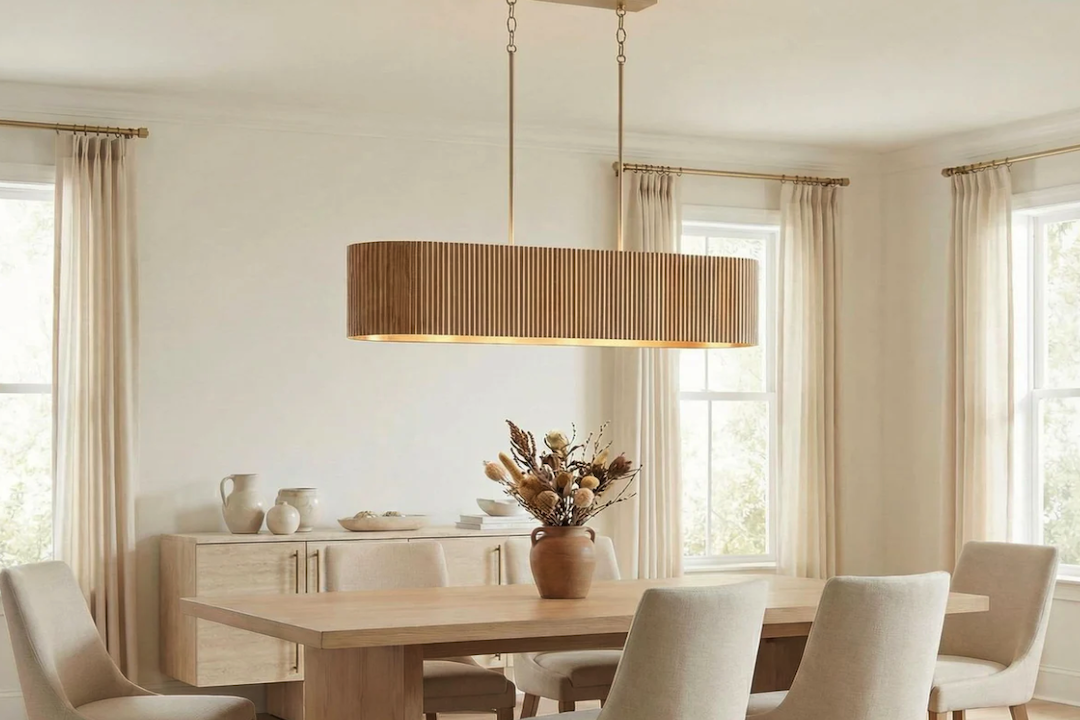
So, you’re looking for a modern linear wood chandelier for your spacious dining table. Good choice! The short answer is yes, absolutely, it can be a fantastic centerpiece. These fixtures offer a unique blend of warmth and contemporary style, perfect for anchoring a larger dining area without feeling heavy or outdated. They combine the organic beauty of wood with sleek, minimalist designs, providing both ample light and a significant style statement.
When we talk about choosing a chandelier for a spacious dining table, we’re not just thinking about illumination. It’s about setting a mood, defining a space, and adding a crucial design element. A linear wood chandelier Kotile steps up to this challenge beautifully. Unlike a traditional round fixture, its elongated form naturally complements the shape of a rectangular or oval dining table, creating a sense of balance and purpose.
The Appeal of Natural Materials
There’s something inherently inviting about wood. In a world increasingly dominated by cold, sterile materials, bringing natural elements into your home can create a feeling of comfort and groundedness. A wooden chandelier offers this warmth without sacrificing modern aesthetics.
- Warmth and Texture: Wood, with its varying grains and tones, adds a rich, organic texture that can soften the often-hard edges of a dining room. It’s a sensory experience that metal or glass alone simply can’t replicate.
- Versatility in Style: From light, Scandinavian-inspired woods to richer, darker tones like walnut, there’s a wood finish to match almost any interior palette. This adaptability means it can blend seamlessly or stand out as a focal point.
Perfect for Large Tables
Spacious dining tables demand a light fixture that can stand its ground. A single, small pendant would look lost. A massive, traditional chandelier might feel overly formal or block sightlines. A linear chandelier, however, offers an elegant solution.
- Proportionality is Key: Its extended form naturally fills the overhead space above a long table, ensuring proper scale without overwhelming the room. It’s like a perfectly tailored suit for your dining area.
- Even Light Distribution: Because of its length, a linear fixture distributes light more evenly across the entire table. This means everyone at the table gets good light, preventing those awkward dark spots.
What to Look for: Key Design Elements and Features
Choosing the right modern linear wood chandelier involves a bit more than just picking one you like. It’s about considering how it will integrate with your existing decor, your functional needs, and the overall feel you want to create.
Modern Aesthetics in Wood
The “modern” aspect is crucial here. We’re not talking about rustic, wagon-wheel type chandeliers (though those have their place!). Modern linear wood chandeliers typically feature clean lines, minimal ornamentation, and often combine wood with other contemporary materials.
- Sleek Silhouettes: Expect geometric shapes, thin profiles, and uncluttered designs. The beauty often lies in the simplicity and the quality of the wood itself.
- Mixed Materials: Many modern designs incorporate metal (matte black, brushed brass, chrome), glass, or even acrylic elements. These pairings can enhance the contemporary feel and add visual interest. For instance, a light wood bar with black metal accents can create a striking contrast.
Type of Wood Matters
The kind of wood used significantly affects the chandelier’s appearance and how it ages. Each wood has its own character.
- Light Woods (Maple, Ash, Birch): These contribute to a brighter, more airy feel. They’re often associated with Scandinavian or minimalist designs. They can make a smaller space feel larger and maintain a fresh, contemporary look.
- Medium Woods (Oak, Walnut, Teak): These offer a classic warmth and richness. Oak is durable and versatile, while walnut provides a deep, luxurious tone. Teak is known for its durability and beautiful grain. These can anchor a room with a bit more gravitas.
- Dark Woods (Wenge, Dark Walnut Stains): For a dramatic, sophisticated statement. These work well in more formal settings or industrial-chic spaces, often paired with dark metals.
It’s also worth noting whether the wood is solid or veneered. Solid wood is generally more expensive and durable, offering natural variations. Veneer allows for broader design possibilities at a potentially lower cost, but inspect the quality of the veneer to ensure it’s well-applied and durable.
Lighting Technology: LEDs are Your Friend
Modern chandeliers often incorporate LED technology, which is a significant advantage.
- Energy Efficiency: LEDs consume far less electricity than traditional incandescent bulbs, saving you money in the long run and reducing your environmental footprint.
- Longevity: LEDs last for tens of thousands of hours, meaning you won’t be climbing onto your dining table to change bulbs frequently. This is especially practical for fixtures that are harder to reach.
- Dimmability: Look for dimmable LEDs. This allows you to adjust the light output from bright task lighting for meals to a softer, ambient glow for entertaining or relaxing. Control over lighting is crucial for setting the right mood.
- Color Temperature (Kelvin): Consider the warmth or coolness of the light.
- Warm White (2700K-3000K): Creates a cozy, inviting atmosphere, similar to traditional incandescent bulbs. Ideal for dining areas.
- Neutral White (3500K-4000K): More balanced, good for tasks without feeling cold. Can work in a dining room if you prefer a brighter, more functional light.
- Avoid anything above 4000K for a dining space, as it tends to feel too stark or clinical.
Sizing and Placement: Getting it Just Right
This is where many people get stuck. A beautiful chandelier can look out of place if it’s not appropriately sized or positioned. For a spacious dining table, these considerations become even more critical.
The ⅔ Rule: A Good Starting Point
A general rule of thumb for dining room chandeliers is that the fixture’s width (or length, in this case) should be about ⅔ to ¾ the width of your dining tabletop. This ensures it looks proportional and doesn’t extend beyond the table’s edges, which can lead to bumped heads or an unbalanced look.
- Example for a Long Table: If your dining table is 80 inches long, aim for a chandelier between approximately 53 and 60 inches in length.
- Consider Table Width Too: Even though it’s linear, ensure the chandelier isn’t too wide. It shouldn’t block sightlines across the table. For standard dining tables, a width of 6-12 inches for the body of the fixture is usually appropriate.
Height from the Tabletop
This is critical for both aesthetics and functionality. Too high, and it looks disconnected; too low, and it becomes a visual barrier or a head-hitting hazard.
- Standard Rule: For 8-foot ceilings, aim for the bottom of the chandelier to be about 30 to 36 inches above the tabletop.
- Higher Ceilings: If you have higher ceilings (9 feet or more), you can raise the chandelier a bit more, adding about 3 inches for every additional foot of ceiling height. For example, for a 9-foot ceiling, 33-39 inches above the table.
- Visual Test: After initially installing it, stand back and look. Can you easily see everyone at the table? Does it feel like it’s floating too high or hanging too low? Don’t be afraid to adjust within that general range until it feels right.
Centering and Alignment
For a linear chandelier, centering is usually straightforward. It should be directly above the center of your dining table. If your table can extend or contract (like an extendable table), position the chandelier relative to the table’s most common configuration. If you frequently extend it, you might err on the side of a slightly longer fixture to accommodate both sizes.
- Visual Flow: A linear chandelier, because of its shape, naturally guides the eye along the length of the table, emphasizing its form. Proper centering enhances this visual flow.
- Practicality: Ensures light is distributed evenly over the entire usable surface of the table, not just a portion of it.
Incorporating into Design Styles: Blending or Standing Out
A modern linear wood chandelier is versatile, but how it integrates into your existing home design depends on the specific design choices you make. It can be a subtle complement or a bold statement piece.
Scandinavian Modern
This is a natural fit. Light woods like birch, maple, or ash, often with minimalist designs, are hallmarks of Scandinavian style.
- Key Elements: Clean lines, natural materials, a focus on functionality and simplicity.
- Chandelier Choice: Look for designs with simple, unadorned wood bars, perhaps with integrated LED strips or small, discreet light sources. Paired with white or light-colored walls, minimalist furniture, and plenty of natural light, it creates an airy, serene dining space.
Mid-Century Modern
While mid-century often leans into darker woods like walnut, a modern linear fixture can still work beautifully if it has the right vibe.
- Key Elements: Rich, warm woods, iconic shapes, often a mix of wood with metal accents (brass, particularly).
- Chandelier Choice: A linear chandelier made of a rich walnut or teak, possibly with Sputnik-esque light elements or subtle brass accents, would be ideal. It would complement a classic Saarinen or Eames dining table perfectly.
Industrial Chic
Don’t let the “wood” part fool you. A linear wood chandelier can absolutely work in an industrial setting, especially if it incorporates darker woods and metal.
- Key Elements: Exposed brick, metal accents (black steel, distressed finishes), concrete, raw textures.
- Chandelier Choice: Think dark stained wood (or even reclaimed wood) with black metal frames or exposed Edison-style bulbs. The juxtaposition of the warm wood against industrial materials creates an interesting tension.
Transitional or Eclectic
These styles are all about mixing elements from different eras and aesthetics. A linear wood chandelier can be a grounding, natural element within such a space.
- Key Elements: A blend of traditional and contemporary, mixing textures, colors, and patterns.
- Chandelier Choice: Here, you have a lot of flexibility. A slightly more ornate (but still linear) wood fixture, or one that bridges a gap – perhaps a clean-lined wood bar with frosted glass diffusers – could work. The key is to find one that ties into another element in the room, whether it’s the wood of your furniture or a color in your art.
Installation and Maintenance: Keeping it Shining
Once you’ve poured over the options and made your selection, the final steps are critical. Proper installation ensures safety and longevity, and a little maintenance keeps your investment looking its best.
Professional Installation is Recommended
Unless you’re a qualified electrician or very handy with electrical work, it’s generally best to hire a professional for chandelier installation, especially for larger, heavier fixtures.
- Safety First: Dealing with electrical wiring, especially on a potentially heavy fixture, carries risks. An electrician ensures proper wiring, grounding, and secure mounting.
- Weight Considerations: Large chandeliers can be heavy. Your existing electrical box might not be rated to hold the weight. An electrician can assess this and install proper support, such as a brace in the attic if necessary.
- Dimmer Switch Compatibility: If you’re planning on using a dimmer, the electrician can ensure you have the correct type of dimmer for LED lights (usually an LED-compatible dimmer) for optimal performance and to prevent flickering.
Cleaning and Care for Wood
Wood is a natural material and requires a bit of attention to keep it in good condition.
- Dusting: The most frequent task will be dusting. Use a soft, dry microfiber cloth or a feather duster regularly to prevent dust buildup.
- Gentle Cleaning: If there’s a stubborn mark, lightly dampen a cloth with plain water (distilled water is even better to avoid mineral deposits) and gently wipe. Avoid harsh chemical cleaners, as they can strip finishes or damage the wood.
- Wood Polish (Sparingly): For finished wood, you can occasionally use a wood polish designed for furniture. Apply it sparingly to a cloth, then wipe the wood. Always test in an inconspicuous area first. Avoid polishes that create a heavy, waxy buildup.
- Avoiding Moisture: Keep the chandelier away from excessive humidity or direct sources of steam (if it’s positioned very close to a stovetop, for instance). Consistent moisture can cause wood to warp or crack.
- Inspecting Hardware: Periodically, check the hanging hardware and connections to ensure everything remains secure.
LED Bulb Replacement (Rare, but Good to Know)
One of the benefits of LEDs is their long lifespan. You likely won’t need to replace them for years. However, if an integrated LED module fails, or if a bulb in a fixture with replaceable LEDs goes out:
- Integrated LEDs: If your chandelier has integrated LED modules, you might need to contact the manufacturer for replacement parts or service. In some cases, the entire fixture might need to be replaced if modules aren’t serviceable, though this is becoming less common with better repairability.
- Replaceable LED Bulbs: If your fixture uses standard base LED bulbs (Edison screw base, GU10, etc.), simple unscrew the old bulb and screw in a new one of the same type and wattage equivalent. Remember to match the color temperature (Kelvin) for consistent light.
By understanding these aspects, you can confidently select, install, and maintain a modern linear wood chandelier that will beautifully illuminate your spacious dining table for years to come. It’s an investment in both light and style, and when chosen carefully, it truly makes a statement.