Modern Home Illumination: Linen Shade Pendant Lights
Linen shade pendant lights are a fantastic choice for modern homes because they offer a blend of warmth, texture, and elegant-yet-understated design. Rather than harsh, focused light, they tend to diffuse illumination beautifully, creating a soft, inviting glow that’s perfect for living spaces, dining areas, bedrooms, and even specific task zones like kitchen islands. They bring a touch of natural material into your decor, which is increasingly popular, without being overtly rustic. Think of them as a cozy, stylish hug for your lighting.
Linen, as a material, has a timeless quality, but its application in pendant lighting 1homedesign is experiencing a significant resurgence. This isn’t just a fleeting trend; it’s rooted in several practical and aesthetic advantages that resonate with contemporary design preferences.
The Appeal of Natural Materials
In an era dominated by sleek, often cold, industrial materials, there’s a strong desire to incorporate natural elements into our living spaces. Linen, derived from the flax plant, brings that organic touch without being overtly “farmhouse” or rustic. It’s refined, yet earthy.
- Tactile Texture: Unlike smooth glass or metal, linen offers a subtle texture that adds depth and visual interest to a room. This tactile quality makes a space feel more comfortable and lived-in.
- Eco-Friendly Choice: For many, the sustainability aspect of natural fibers like linen is a significant draw. It’s a renewable resource, and choosing it aligns with a more conscious consumer mindset.
- Understated Elegance: Linen doesn’t shout for attention. Its beauty lies in its quiet sophistication, making it an excellent choice for a myriad of interior styles, from Scandinavian minimalist to eclectic bohemian.
Soft, Diffused Lighting
The primary function of a light shade is to direct and modify light, and linen excels at softening illumination. This diffused light profoundly impacts the ambiance of a room.
- Reduced Glare: Thick linen shades significantly reduce harsh glare, protecting your eyes and creating a more comfortable environment, especially in areas where you spend a lot of time.
- Warm Ambiance: The natural fibers of linen often imbue the light with a slightly warmer tone, even with cool-temperature bulbs. This contributes to a cozy and inviting atmosphere.
- Even Illumination: Instead of a sharp beam, light filters gently through the linen, spreading more evenly across the area, minimizing shadows and creating a sense of spaciousness.
Design Considerations and Material Variations
Choosing the right linen pendant involves more than just liking the look. Understanding the nuances of design and material variations can help you pick the perfect fixture for your space.
Shade Shape and Size
The shape and size of your pendant light can dramatically alter the feel and function of the fixture within a room.
- Drum Shades: These are cylindrical and offer a classic, versatile look. They provide balanced, ambient light and are suitable for most rooms. Often used in dining rooms or living areas.
- Cone and Bell Shades: Tapering downwards, these shapes direct light more precisely than drum shades, making them ideal for task lighting, such as over a kitchen island or a reading nook.
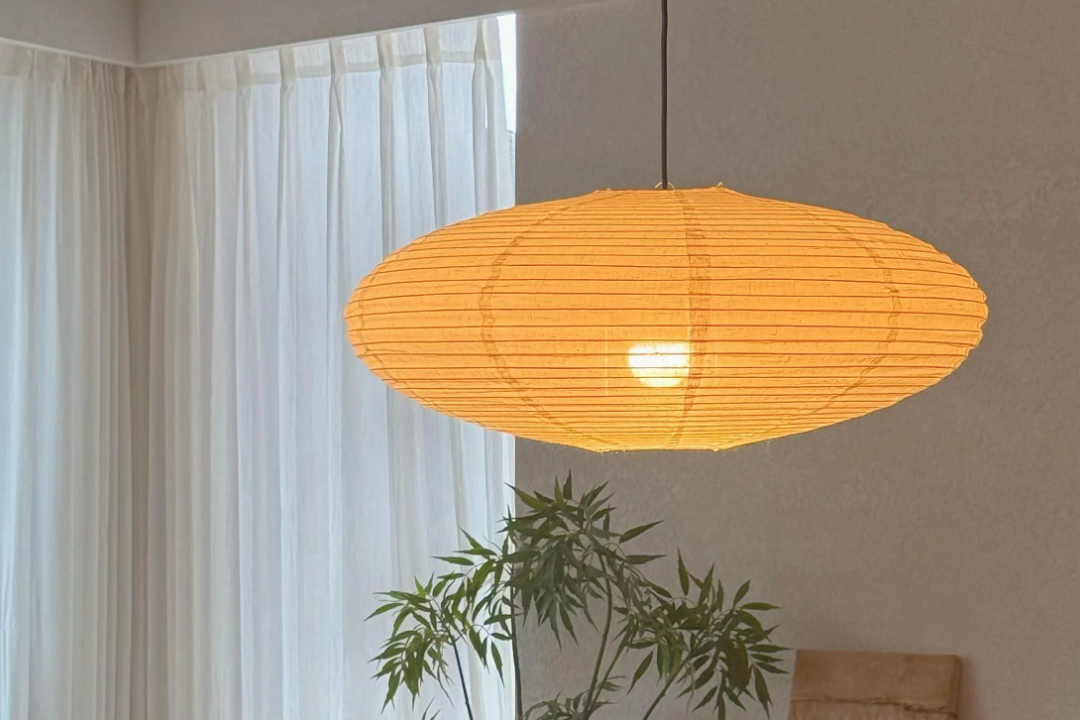
- Dome Shades: With a wider, more rounded base, dome shades offer broad downward light distribution while providing a distinct visual statement. They can be particularly impactful over a large dining table.
- Abstract/Sculptural Shapes: For a bolder statement, some linen pendants come in more organic or unusual forms. These act as sculptural art pieces even when turned off and can be a focal point in a minimalist setting.
- Proportion is Key: Always consider the scale of the room and the furniture below the pendant. A tiny pendant in a grand room will look lost, while an oversized one in a small space can feel overwhelming.
Linen Type and Color
While “linen” might sound singular, there’s a spectrum of variations that impact appearance and light diffusion.
- Natural/Unbleached Linen: This offers an organic, earthy look with subtle variations in color and weave. It typically filters light with a warm, slightly amber glow.
- White/Off-White Linen: Crisp and clean, white linen provides a brighter, more neutral light. It’s excellent for Scandinavian or minimalist interiors. Off-white or ivory offers a softer approach than stark white.
- Flax/Grey Linen: Often a slightly darker, more muted tone, grey linen adds a sophisticated, contemporary edge. It can feel very serene and works well with cool color palettes.
- Textured Linen Blends: Sometimes linen is blended with other fibers (like cotton or polyester) to enhance durability, reduce wrinkling, or achieve specific textures and opacities. These blends can offer varied diffusion effects.
- Weave Density: A looser weave allows more light to pass through, creating brighter illumination, while a tighter weave diffuses light more intensely, resulting in a softer, more subtle glow. Consider this based on the brightness level you need.
Hardware and Cord Options
The supporting elements of a pendant light are just as important as the shade itself in defining the overall aesthetic.
- Metal Finishes: Popular choices include matte black (modern, industrial), brushed brass or gold (mid-century, luxurious), polished chrome (sleek, contemporary), and brushed nickel (versatile, understated). The finish should complement other metal accents in the room.
- Wood Accents: Some designs incorporate wooden elements, either in the finial where the cord meets the shade, or as part of the ceiling canopy. This enhances the natural, organic feel.
- Cord Types: Standard electrical cords are often discreet, but some pendants feature decorative cloth-covered cords (braided textile cords) in complementary or contrasting colors, adding another layer of texture and design.
- Adjustable vs. Fixed: Check if the pendant’s hanging height is adjustable. This is crucial for optimal placement over dining tables, kitchen islands, or in rooms with varying ceiling heights.
Placement and Application Inspiration
Linen shade pendants are incredibly versatile and can elevate the feel of almost any room. Knowing where and how to use them effectively is key.
Over Dining Tables
This is one of the most classic and effective placements for a linen pendant. It defines the eating area and provides ambient lighting for meals.
- Single Statement Pendant: A large, visually impactful linen drum or dome pendant centered over the table can become the room’s focal point.
- Multiple Pendants: For longer tables, a row of two or three smaller, identical linen pendants creates a balanced and well-lit surface. This also offers a cohesive aesthetic.
- Adjustable Height is Key: Ensure the bottom of the shade hangs roughly 30-36 inches above the tabletop. This prevents it from obstructing views while still providing effective illumination.
Kitchen Island Lighting
Linen pendants provide both task lighting and aesthetic warmth for what is often the heart of the home.
- Focused Task Lighting: Cone or bell-shaped linen pendants are excellent here, directing light onto your prep area.
- Defined Zones: Hanging several pendants in a line over a long island clearly delineates the space, adding visual structure and warmth to a kitchen that might otherwise feel too sterile.
- Contrast and Complement: If your kitchen features clean lines and hard surfaces, linen pendants can introduce a welcome softness and organic texture.
Bedroom Ambiance
The diffused light from linen shades is perfectly suited for creating a tranquil and cozy bedroom environment.
- Main Ambient Light: A central linen pendant can provide the primary ambient light for the room, offering a soft glow rather than harsh overhead illumination.
- Bedside Alternatives: Smaller linen pendants can be hung on either side of the bed, replacing traditional table lamps. This frees up nightstand space and creates a boutique hotel feel.
- Reading Nooks: A single, well-placed linen pendant can illuminate a comfortable armchair, making it an inviting spot for reading.
Living Room & Entryways
These areas often benefit from ambient light that feels welcoming and stylish.
- Soft Overhead Lighting: In a living room, a large linen pendant can provide gentle overhead light, complementing other light sources like floor and table lamps.
- Entryway Statement: A medium-sized linen pendant in an entryway can make a fantastic first impression, setting the tone for the rest of your home with its inviting glow.
- Layered Lighting: Remember that linen pendants are often best as part of a layered lighting scheme. They provide excellent ambient light, but you might need additional task or accent lighting.
Installation and Maintenance Tips
Getting your linen pendant installed correctly and keeping it looking its best will ensure it serves your home beautifully for years to come.
Professional Installation vs. DIY
While some confident DIYers might tackle pendant installation, it’s often best left to the professionals.
- Electrical Safety: Working with electricity carries risks. A qualified electrician ensures the fixture is wired correctly, grounded, and meets all safety codes.
- Weight Bearing: Larger pendants can be heavy. An electrician will ensure the mounting box and ceiling support can safely bear the weight of the fixture.
- Optimal Placement: Electricians can advise on optimal placement, especially if you’re installing multiple pendants or need to relocate an existing junction box.
- Complex Assemblies: Some pendants come with intricate assemblies that can be tricky to put together and hang securely.
Cleaning and Care for Longevity
Linen is generally low-maintenance, but a few simple steps will keep your shade looking fresh.
- Regular Dusting: Use a soft, dry cloth or a feather duster regularly to prevent dust buildup. A soft brush attachment on your vacuum cleaner can also work, but be gentle.
- Spot Cleaning: For small marks, gently dab with a clean, damp cloth and mild, diluted soap. Test in an inconspicuous area first. Avoid saturating the fabric, as it can cause water stains.
- Deep Cleaning (Rarely Needed): If the shade requires a more thorough cleaning, some smaller shades might be suitable for very gentle hand washing with cold water and mild detergent. However, this is risky as it can alter the shape or cause shrinking. Always check manufacturer instructions. For larger, more complex shades, professional upholstery cleaning might be an option.
- Avoid Harsh Chemicals: Bleach or strong chemical cleaners can damage linen fibers and alter their color.
- Handle with Care: Always handle the shade by its metal frame, if possible, rather than pulling or pushing directly on the fabric.
Bulb Choice Matters
The bulb you put inside your linen pendant will significantly impact the quality and quantity of light.
- LED Bulbs: These are highly recommended for their energy efficiency, long lifespan, and cool operating temperature (which is important for fabric shades).
- Brightness (Lumens): Consider the lumens needed for the space. For ambient lighting, you’ll want sufficient brightness, but for accent, less might be appropriate.
- Color Temperature (Kelvin):
- Warm White (2700K-3000K): Creates a cozy, inviting atmosphere, often complementing the natural warmth of linen.
- Neutral White (3500K-4000K): Provides a more balanced, clean light, suitable for tasks without being overly stark.
- Avoid Cool White (4500K+): Generally, these cooler temperatures can look harsh and detract from the softness of a linen shade, unless you’re specifically aiming for a very crisp, modern, almost office-like feel in a particular task area.
- Dimmable Bulbs: Pair your linen pendant with a dimmable LED bulb and a compatible dimmer switch. This allows you to adjust the light level to suit different moods and activities, maximizing the versatility of your fixture.
Integrating Linen Pendants into Your Decor Style
Linen pendants are surprisingly adaptable. They can seamlessly fit into many interior design aesthetics, adding warmth and sophistication.
Modern & Minimalist
In minimalist homes, where simplicity and functionality are paramount, a linen pendant can serve as a soft, organic counterpoint to clean lines and stark surfaces. Its natural texture adds visual interest without clutter.
- Clean Forms: Choose drum or simple dome-shaped linen pendants in white or natural flax tones.
- Quiet Statement: Let the pendant be an understated focal point, offering gentle light and texture without competing with other elements.
- Complementary Materials: Pair with light wood tones, concrete, or subtle metallic accents.
Scandinavian & Japandi
These styles prioritize natural materials, light tones, and comfort. Linen pendants are a perfect match, embodying hygge and wabi-sabi principles.
- Organic Textures: Embrace the inherent texture of linen, allowing it to contribute to the overall natural, calm feel.
- Soft Lighting: The diffused glow aligns perfectly with the emphasis on creating cozy, inviting spaces.
- Earth Tones: Natural, off-white, and muted grey linen shades integrate beautifully with the neutral color palettes common in these styles.
Bohemian & Eclectic
For those who love layers, textures, and a collected look, linen pendants can add a touch of relaxed sophistication.
- Global Influence: The natural fiber can echo textiles and crafts from around the world.
- Layered Textures: Combine a linen pendant with rattan furniture, wool rugs, macrame, and varied patterned cushions to create a rich, tactile environment.
- Unexpected Pairing: Use a linen pendant to soften the edges of more vibrant colors or bold patterns elsewhere in the room.
Contemporary & Transitional
Linen pendants can effortlessly bridge the gap between traditional and contemporary design, fitting well into transitional spaces that appreciate classic forms with a modern twist.
- Timeless Appeal: The material itself has a timeless quality that works in evolving design schemes.
- Refined Simplicity: Choose linen pendants with elegant, balanced proportions and sophisticated hardware finishes.
- Warmth and Comfort: They introduce a human-centric warmth into contemporary spaces that might otherwise feel too stark or cold.
In essence, linen shade pendant lights are more than just a passing fad. They offer a thoughtful solution for modern illumination, blending natural beauty, soft light, and versatile design that can truly enhance the comfort and style of your home. They are a practical and aesthetically pleasing choice that brings a touch of calm elegance to any room.