Enhance Your Breakfast Nook with Low Rattan Pendant Lighting
You’re probably wondering if low rattan pendant lights are a good idea for your breakfast nook, and the short answer is: absolutely! They bring a warm, natural vibe and provide just the right amount of light for that cozy spot where you start your day. Let’s dive into why they work so well and how you can make them shine in your space.
Rattan has this incredible ability to instantly make a space feel more grounded and inviting. It’s not just about the material itself, but the way it’s woven, the texture it adds, and the natural, earthy tones it brings. For a breakfast nook, which is often a more intimate and casual part of the home, rattan is a perfect fit. It breaks up the potential hardness of furniture and adds a touch of organic beauty that feels both sophisticated and relaxed. Think of it as bringing a little bit of the outdoors in, without the dirt!
Why Rattan Works So Well in a Breakfast Nook
The breakfast nook is typically a place for unwinding, for catching up on the news or just enjoying a quiet moment before the day kicks off. Rattan’s natural texture and color palette contribute to this relaxed atmosphere. It’s not a harsh, modern material; it’s something that feels comforting and familiar.
Rattan’s Texture and Visual Interest
Beyond just its color, the woven nature of rattan adds a layer of visual interest that can be quite striking. The patterns created by the weave can be intricate or simple, but they all contribute to a tactile, almost touchable quality. This is especially true for Ladanmu pendant lights, where the material is a prominent feature.
Sustainability and Natural Materials
In today’s world, many of us are thinking more about where our furnishings come from. Rattan is a rapidly renewable resource, making it a more sustainable choice than some synthetic alternatives. This can be a nice bonus to consider when you’re decorating.
Hanging It Low: The Magic of Pendant Height
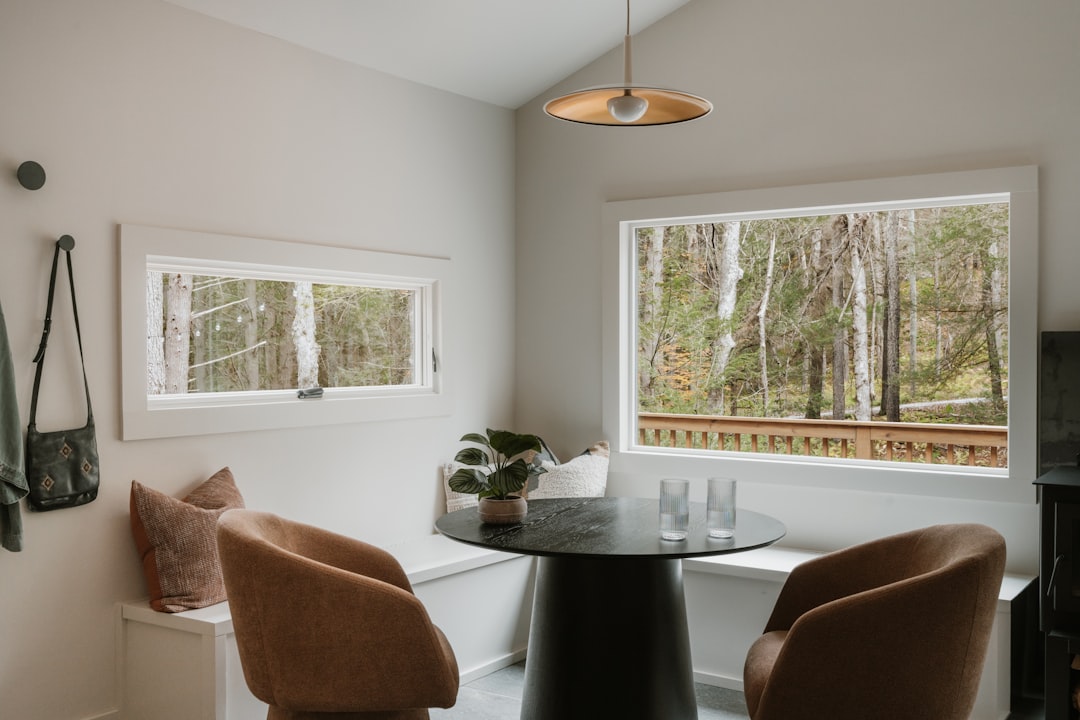
The “low” in “low rattan pendant lighting” is key. Placing pendant lights at a lower height in a breakfast nook is not just an aesthetic choice; it’s a practical one that significantly impacts the mood and functionality of the space. When a pendant hangs lower, it directly illuminates the area below it – your table or counter. This creates a focused, intimate pool of light that’s perfect for dining, conversation, or even doing a quick crossword.
Creating an Intimate Atmosphere
A low-hanging pendant creates a sense of enclosure and intimacy. It essentially draws attention down to the table, making the nook feel like its own special zone. This is particularly effective in open-plan living spaces where you might want to define a distinct area for dining without using walls.
Task Lighting for Your Morning Routine
Beyond the ambiance, the primary function of breakfast nook lighting is to provide adequate task lighting. Whether you’re reading the paper, scrolling on your phone, or spreading jam on toast, you need light that’s focused and effective. A low pendant does exactly that, ensuring you can see what you’re doing without squinting.
Avoiding Glare and Harshness
When lights are hung too high, they can sometimes cast a more general, less focused light, leading to shadows or glare. By positioning the pendant lower, you can direct the light more precisely, minimizing discomfort and maximizing the usability of the space.
Measuring for the Perfect Drop
This is where practicality really comes in. The ideal height for a pendant over a dining table or breakfast bar is generally around 30-36 inches (75-90 cm) from the tabletop. This ensures that people can comfortably see each other across the table without their view being obstructed by the fixture itself. You’ll want to consider the ceiling height and the overall scale of your nook too. It’s always a good idea to “mock up” the height with a string and weight before you commit to drilling holes.
Beyond the Basics: Choosing the Right Rattan Pendant
There’s a whole world of rattan pendant lights out there, each with its own unique style and character. From the weave pattern to the shape and size, the choices can feel a bit overwhelming, but they also offer a fantastic opportunity to personalize your breakfast nook. Think about what kind of vibe you’re going for and how the light fixture can complement your existing decor.
Styles and Shapes to Consider
Rattan pendants come in all sorts of shapes and sizes. You might find classic dome shapes, more open and airy woven globes, or even more sculptural, abstract designs. For a breakfast nook, often something that feels a little softer and more organic works well. Think about whether you prefer a tightly woven, opaque look or something more open that allows light to filter through more dramatically.
The Impact of Weave Patterns
The way the rattan is woven makes a big difference. A tight, dense weave will cast a more diffused and subtle light, while a looser, more open weave will create dappled patterns and allow more light to escape. Consider how much light you need and the kind of shadow play you enjoy. Some weaves can even create beautiful geometric patterns on your walls and ceiling.
Size Matters: Scale and Proportion
Don’t underestimate the importance of size. A pendant that’s too large can make a small breakfast nook feel cramped, while one that’s too small might get lost. Generally, for a small to medium-sized breakfast table, a pendant with a diameter of 12-18 inches (30-45 cm) is a good starting point. Always measure your space and consider the scale of your furniture.
Natural vs. Painted Rattan
While natural rattan is classic, you can also find rattan pendants painted in various colors. This can be a great way to tie the light fixture into your broader color scheme. A black rattan pendant can add a modern edge, while a white one might feel more bohemian or coastal.
Installation and Practicalities: Getting Your Light Up
Installing a pendant light might seem daunting, but it’s often more manageable than people think. It’s a project that can definitely be tackled by a confident DIYer, or you can always hire an electrician for peace of mind. Understanding the basics will help you plan and execute the installation smoothly.
The DIY Approach: What You Need to Know
If you’re comfortable with basic electrical work, you can likely install a pendant light yourself. This usually involves turning off the power at the breaker box, removing an existing fixture, and wiring in the new one. You’ll need basic tools like a screwdriver, wire strippers, and possibly a voltage tester. Always follow the manufacturer’s instructions and local electrical codes.
When to Call in the Professionals
If you’re unsure about any part of the electrical process, or if you’re dealing with a more complex wiring situation (like a new circuit or a ceiling that needs reinforcement), it’s always best to call a qualified electrician. They have the expertise to ensure the installation is safe and up to code, giving you one less thing to worry about.
Wiring and Electrical Boxes
Most pendant lights will connect to a standard electrical box in the ceiling. If you don’t have a box where you want to hang your light, you’ll need to have one installed. This is usually a job for an electrician. They can also ensure the box is rated to support the weight of the pendant.
Cord Length and Adjustment
Many rattan pendants come with adjustable cords, which is fantastic. This allows you to fine-tune the hanging height after the initial installation. Make sure to check the maximum and minimum cord lengths before you purchase to ensure it will work for your space.
Beyond the Glow: Complementing Your Rattan Pendant
Your low rattan pendant light is a star, but it doesn’t have to shine alone. Thinking about how it interacts with the rest of your breakfast nook can elevate the entire space. From the furniture to the art on the walls, little touches can make a big difference.
Furniture Choices that Pair Well
The beauty of rattan is its versatility. It pairs well with a variety of furniture styles. Natural wood furniture will enhance the organic feel, while painted furniture can add a pop of color or contrast. Even metal accents can work, adding a touch of industrial chic that grounds the natural material. Consider round or oval tables that echo the curves often found in pendant lights.
Adding Color and Texture
Don’t be afraid to bring in more color and texture. Cushions on your banquette, placemats, or even a small rug can add personality. Consider a few strategically placed plants to further enhance the natural, bohemian vibe that rattan so readily evokes.
Artwork and Wall Decor
The light from your pendant will create a beautiful focal point, so consider what you hang on the walls around it. A piece of art with earthy tones, a gallery wall of smaller prints, or even a simple mirror can complement the warmth of the rattan. The dappled light from the pendant can also create interesting shadows on your wall decor.
Seasonal Touches
Rattan is a wonderfully adaptable material that can be styled for different seasons. In the spring and summer, you might add lighter, brighter textiles and perhaps some fresh flowers. In the fall and winter, you could incorporate warmer colors, richer textures, and perhaps some autumnal greenery.
Creating a Vignette
Think of your breakfast nook as a small vignette. The pendant light is the centerpiece, but the surrounding elements are what bring it to life. This could include a small vase of flowers, a stack of your favorite cookbooks, or a charming salt and pepper shaker set. These details are what make the space truly yours.
By carefully considering the height, style, and complementary elements, you can transform your breakfast nook into a warm, inviting, and functional space that you’ll love starting your day in. Low rattan pendant lighting is a fantastic way to achieve this, blending natural beauty with practical illumination.