Illuminate Your Garden Stairs with Waterproof Step Lights
Garden stairs, often a transition between different levels of a landscape or a pathway to an entrance, can present a significant safety concern after dusk. Uneven surfaces, subtle changes in elevation, and the natural darkness that descends can lead to trips and falls. Beyond safety, poorly lit stairs detract from the aesthetic appeal of a garden, rendering it less inviting and usable in the evening hours. The primary function of garden stair lighting is to mitigate these risks and enhance the overall experience of your outdoor space.
The Importance of Visibility and Navigation
The most immediate benefit of illuminating garden stairs is improved visibility. Clear sightlines allow individuals to accurately perceive the depth and dimensions of each step. This is particularly crucial for children, the elderly, or anyone with mobility challenges. Without adequate light Casalucelighting, the subtle nuances of a stair’s edge can become lost, creating a hazard.
Preventing Slips and Trips
The primary danger associated with unlit stairs is the increased risk of slips and falls. These incidents can range from minor stumbles to serious injuries, impacting one’s ability to enjoy their garden. Proper lighting directly addresses this by ensuring that each step is clearly delineated and its surface is visible.
Facilitating Safe Movement
Beyond accident prevention, good lighting facilitates smooth and confident movement. It allows for a more relaxed and enjoyable experience when traversing your garden at night. No longer is there an element of caution or apprehension; movement becomes natural and unhindered.
Enhancing Accessibility
For gardens that are used in the evening, accessibility is paramount. Well-lit stairs make the space more inclusive, allowing everyone to navigate it safely and comfortably. This extends the usability of the garden beyond daylight hours.
The Role of Waterproofing in Outdoor Lighting
Outdoor lighting fixtures are exposed to the elements. Rain, dew, and occasional splashes are an inherent part of the environment. Therefore, waterproofing is not a luxury but a fundamental requirement for garden step lights. Without proper sealing, water ingress can lead to corrosion, electrical shorts, and ultimately, fixture failure.
Protecting Against Environmental Factors
Waterproofing ensures that the delicate electrical components within the light fixture are shielded from moisture. This prevents damage that can compromise the light’s functionality and lifespan.
Ensuring Longevity and Reliability
A well-protected fixture will last longer and perform reliably. Investing in waterproof lights means fewer replacements and less maintenance over time.
Maintaining Electrical Safety
Water and electricity are a dangerous combination. Waterproofing is a critical safety feature that prevents electrical hazards, protecting both the property and its occupants.
Considerations for Different Climates
The level of waterproofing required can vary depending on the climate. Areas with frequent rainfall, high humidity, or even coastal environments with salt spray will demand higher-rated waterproofing standards.
Types of Waterproof Garden Stair Lights
The market offers a variety of waterproof garden step lights, each with its own characteristics and installation methods. Understanding these options allows for a selection that best suits the style and practical needs of your garden.
In-Ground and Recessed Step Lights
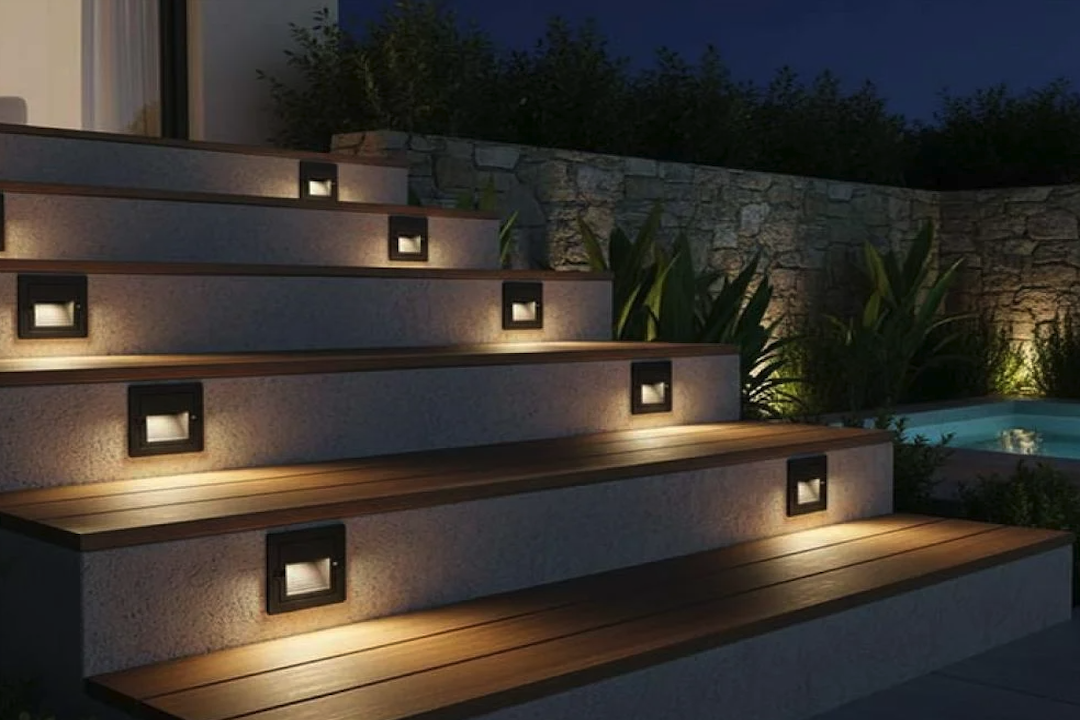
These lights are installed directly into the riser of the step or the ground adjacent to it. They offer a subtle and integrated lighting solution, providing light precisely where it is needed without being obtrusive.
Advantages of Integrated Lighting
Recessed lights provide a clean, minimalist look. They are less likely to be tripped over and create a sophisticated ambiance.
Installation Considerations
Installation typically requires cutting into the step material. This can range from simple drilling for concrete steps to more complex carpentry for wooden stairs. Professional installation may be recommended for a seamless finish.
Beam Angle and Light Distribution
The angle of the light emitted from recessed fixtures is important. Some provide a focused beam, highlighting the edge of the step, while others offer a broader wash of light.
Material and Durability
Look for fixtures made from durable materials like stainless steel, aluminum, or robust plastics designed to withstand outdoor conditions.
Surface-Mounted Step Lights
These fixtures are attached to the surface of the stair riser or tread. They are generally easier to install than recessed lights, making them a popular choice for DIY projects.
Ease of Installation
Surface-mounted lights can often be fixed with screws, requiring less structural modification to the stairs.
Versatility in Design
They come in a wide array of shapes, sizes, and finishes, allowing for integration with various garden aesthetics.
Potential Obstructions
While generally unobtrusive, surface-mounted lights might present a slight protrusion that could be a minor tripping hazard if not carefully selected or positioned.
Wiring and Power Sources
Consider the wiring requirements. Some are low-voltage, requiring a transformer, while others might be designed for direct mains connection (though this is less common for step lights).
String Lights and Rope Lights
While not always strictly “step lights,” string lights or LED rope lights can be effectively used to define stairways. They offer a more decorative and ambient approach to stair illumination.
Creating Ambiance
These lights excel at setting a mood. They can create a whimsical or festive atmosphere, depending on the style of lights used.
Flexible Placement
The flexibility of string and rope lights allows for creative placement along railings, under treads, or along the sides of the staircase.
Brightness and Coverage
The brightness and density of the bulbs or LEDs will determine the level of illumination. They are often better for accentuating than providing primary safety lighting.
Durability and Weather Resistance
Ensure that any string or rope lights chosen are specifically rated for outdoor use and possess a good level of waterproofing.
The Importance of Lumens and Light Color Temperature
When selecting waterproof step lights, technical specifications like lumens and color temperature are crucial for achieving the desired effect and functionality. These parameters directly influence how bright the light is and the mood it creates.
Understanding Lumens (Brightness)
Lumens measure the total amount of visible light emitted by a source. For garden stairs, the goal is to provide sufficient illumination for safety without overwhelming the senses or creating light pollution.
Determining Adequate Brightness
Too few lumens will render the stairs still difficult to see, undermining the purpose of the lighting. Excessive lumens can be jarring and create an unnatural look.
Energy Efficiency Considerations
LED lights are highly energy-efficient and offer a good lumen output for their power consumption. This translates to lower electricity bills.
Balancing Safety and Ambiance
The number of lumens required will depend on the width and rise of the steps, as well as the surrounding environment. A wider, steeper staircase might necessitate slightly higher lumen output.
Lumen Degradation Over Time
Be aware that the lumen output of some light sources can degrade over extended periods. Choosing reputable brands can mitigate this issue.
The Impact of Color Temperature (Kelvin)
Color temperature, measured in Kelvin (K), describes the visual appearance of the light. It ranges from warm, yellowish light to cool, bluish light.
Warm White (2700K – 3000K)
Warm white light is similar to incandescent bulbs and provides a cozy, inviting atmosphere. It is often preferred for gardens where a natural and relaxing feel is desired.
Neutral White (3500K – 4000K)
Neutral white light offers a balance between warm and cool tones. It provides good visibility without appearing too stark or overly yellow.
Cool White (5000K – 6500K)
Cool white light has a bluish tint and can make colors appear more vibrant. It is often used in areas where maximum visibility is needed, but can sometimes feel less natural or inviting in a garden setting.
Consistency in Lighting Design
It is important to maintain a consistent color temperature throughout your garden lighting scheme to avoid a disjointed appearance.
The Human Perception of Color
The human eye perceives colors differently under varying light temperatures. Warm light can make foliage appear richer, while cool light might highlight textures.
Powering Your Waterproof Step Lights
The method of powering your garden step lights is an important consideration, impacting installation complexity, running costs, and safety. The two primary options are low-voltage systems and mains voltage systems.
Low-Voltage Lighting Systems (12V or 24V)
Low-voltage systems are a popular choice for garden lighting due to their inherent safety and flexibility. They typically involve a transformer that converts mains electricity to a lower voltage.
Safety Benefits
The reduced voltage significantly lowers the risk of electric shock, making them ideal for areas where people walk barefoot or children play.
Ease of Installation
Installing low-voltage wiring is generally simpler and safer than working with mains voltage. It doesn’t typically require an electrician for basic installations.
Transformer Requirement
A transformer is essential to convert the mains voltage to the required low voltage. The size of the transformer will depend on the total wattage of the lights being powered.
Cable Management
Low-voltage cables are typically buried or concealed, maintaining the aesthetic appeal of the garden.
Scalability and Flexibility
Low-voltage systems are easily expandable. You can add more lights to the circuit by ensuring the transformer has sufficient capacity.
Mains Voltage Lighting Systems (110V or 230V)
Mains voltage systems connect directly to the household electrical supply. While they can power brighter or more numerous lights, they come with greater safety considerations and installation requirements.
Increased Power Output
Mains voltage can support higher wattage fixtures and a larger number of lights without the need for a transformer.
Professional Installation Required
Due to the inherent risks, mains voltage outdoor lighting installations almost always require a qualified electrician to ensure compliance with safety regulations.
Stringent Waterproofing Standards
Fixtures used in mains voltage systems must meet extremely high waterproofing standards to prevent any possibility of water ingress causing a hazard.
Limited Flexibility
Modifying or expanding mains voltage circuits can be more complex and may require additional electrical work.
Cost Implications
While the initial cost of fixtures might sometimes be lower for mains voltage, the professional installation costs can be significant.
Different Regions, Different Voltages
It is important to note that mains voltages vary by region (e.g., 110V in North America, 230V in Europe). Ensure fixtures and installations are compatible with local standards.
Installation and Maintenance of Waterproof Step Lights
Proper installation and regular maintenance are key to ensuring your waterproof garden step lights function effectively and safely for years to come. Neglecting these aspects can lead to premature failure and potential safety hazards.
Planning Your Lighting Layout
Before purchasing any lights, a careful plan of your garden stairs is essential. This involves considering the number of steps, their dimensions, and the desired lighting effect.
Measuring Your Space
Accurately measure the length and height of each step to determine the number of lights needed and their optimal placement.
Determining Power Requirements
Based on the wattage of your chosen lights, calculate the total power consumption to ensure your power source (transformer for low-voltage, or circuit for mains voltage) is adequate.
Considering Electrical Access
Identify the nearest power source and plan how you will run the necessary cables to reach your staircase.
Aesthetic Considerations
Think about how the light will fall and what mood you want to create. Sketching out a layout can be helpful.
Professional vs. DIY Installation
The decision to install the lights yourself or hire a professional depends on your skill level, the complexity of the installation, and the type of lighting system.
DIY Installation Advantages
For low-voltage systems on simple staircases, a DIY approach can be cost-effective and rewarding.
When to Call a Professional
For mains voltage systems, or complex installations involving cutting into stone or concrete, professional installation is highly recommended for safety and to ensure a high-quality finish.
Manufacturer Instructions
Always adhere strictly to the manufacturer’s installation guidelines provided with the lighting fixtures.
Testing Your Installation
Once installed, thoroughly test all the lights to ensure they are working correctly and that there are no flickering issues or dead bulbs.
Ongoing Maintenance
Regular checks and cleaning will keep your lights in optimal condition and prevent issues before they become major problems.
Regular Cleaning
Clean the lenses of the lights periodically to remove dirt, dust, and debris that can reduce light output. A soft cloth and mild detergent are usually sufficient.
Checking Wiring and Connections
Inspect visible wiring and connections for any signs of damage, corrosion, or wear. Ensure all connections are secure.
Bulb Replacement (if applicable)
While many modern garden lights use LEDs with long lifespans, if you have fixtures with replaceable bulbs, check them periodically and replace any that have failed.
Waterproofing Seal Integrity
Periodically check the seals around the fixtures to ensure they remain intact and no moisture is penetrating the housing.
Power Source Inspection
For low-voltage systems, occasionally inspect the transformer for any signs of overheating or damage. For mains voltage, ensure the circuit breaker is functioning correctly.
Seasonal Adjustments
Consider that in some regions, seasonal changes can affect outdoor lighting. For example, during winter, snow or ice might require attention to the lights.
This comprehensive approach ensures that your garden stairs are not only safely illuminated but also contribute positively to the overall beauty and functionality of your outdoor living space.