Enhance Your Space with Smart Ceiling Light & Bluetooth Speaker
The integrated smart ceiling light and Bluetooth speaker is a contemporary lighting and audio fixture designed to enhance residential and commercial spaces. This device combines illumination functionality with wireless audio playback, offering users a multi-purpose solution for managing their environment. The core innovation lies in its ability to merge two distinct home amenities into a single unit, potentially streamlining installation and reducing the need for separate devices.
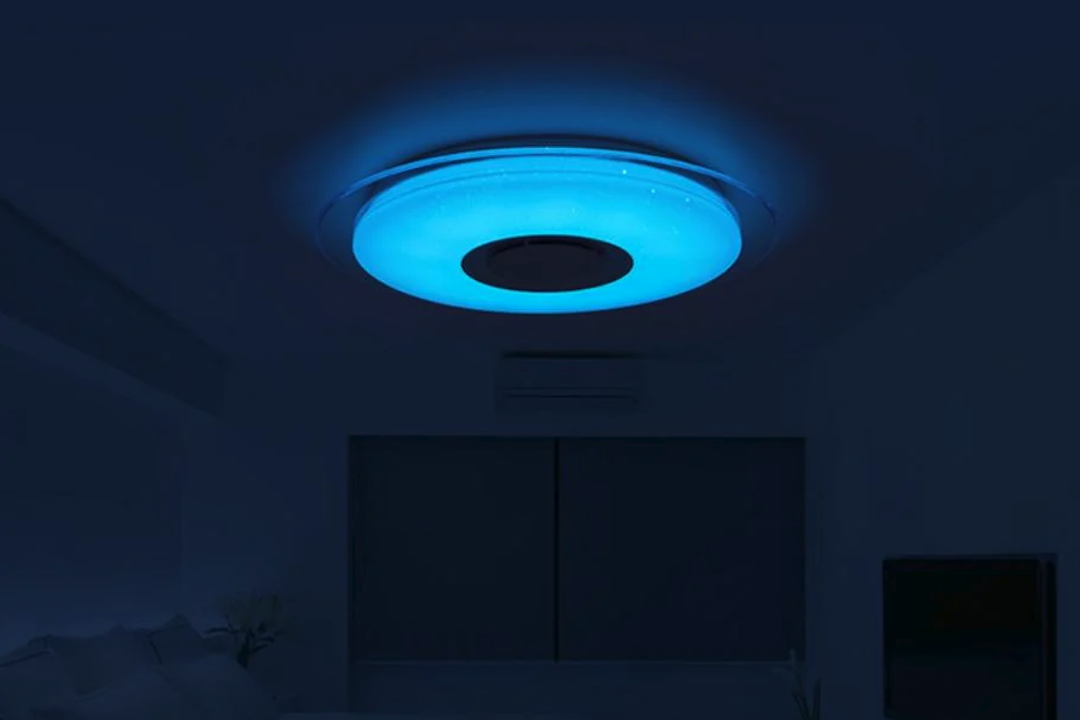
This category of smart devices operates by incorporating a speaker element within a ceiling-mounted light Lamolighting fixture. The lighting component generally utilizes LED technology, known for its energy efficiency and long lifespan. These LEDs can often be controlled remotely, allowing for adjustments to brightness, color temperature, and, in some models, a spectrum of colors. Simultaneously, the integrated Bluetooth speaker enables wireless audio streaming from compatible devices such as smartphones, tablets, and computers.
Lighting Features
The lighting aspect of these devices typically offers a range of adjustable features. Users can often dim the lights to create specific moods or achieve optimal task lighting. Color temperature adjustment, from warm whites that mimic incandescent bulbs to cool, daylight-like tones, is another common capability. For more advanced models, full RGB color control allows for dynamic lighting effects, transforming a room’s ambiance for different occasions or personal preferences. This level of control is usually managed through a dedicated mobile application.
Brightness Control
Brightness levels can be adjusted incrementally, allowing for precise illumination. This feature is useful for activities that require varying light intensity, such as reading, working, or relaxing. The ability to dim the light without a separate dimmer switch simplifies installation and wall aesthetics.
Color Temperature Adjustment
The Kelvin scale is commonly used to describe color temperature. Lower Kelvin values (e.g., 2700K) represent warm, yellowish light, while higher values (e.g., 6500K) denote cool, bluish light. Users can select a color temperature that best suits the time of day or the desired atmosphere. For instance, warmer tones are often preferred in the evening for relaxation, while cooler tones might be better for focused tasks.
RGB Color Options
Many smart ceiling light and speaker units incorporate RGB (Red, Green, Blue) LEDs. By mixing these primary colors in varying intensities, a vast array of colors can be produced. This feature opens up possibilities for decorative lighting, thematic room setups, and even synchronization with music or other media.
Audio Capabilities
The Bluetooth speaker component provides wireless audio streaming. Users can connect their devices via Bluetooth to play music, podcasts, audiobooks, or other audio content. The quality and power of the built-in speaker can vary significantly between models, influencing the overall listening experience.
Bluetooth Connectivity
The device establishes a wireless connection with an audio source through Bluetooth technology. This standard allows for data transfer over short distances without physical cables, offering a clutter-free setup. The version of Bluetooth supported (e.g., Bluetooth 4.0, 5.0) can impact connection range, data transfer speed, and power efficiency.
Sound Quality and Output
The sonic performance of these integrated speakers is a critical factor in their usability as an audio device. While many units are designed for background music or ambient sound, some offer more robust audio output. Factors such as speaker driver size, enclosure design, and amplifier power contribute to the clarity, bass response, and overall loudness of the sound. The ceiling placement can also affect how sound propagates within a room, potentially providing a more immersive experience than a traditional speaker placed on a surface.
Smart Integration and Control
The “smart” aspect of these devices refers to their connectivity and controllability through digital means. This typically involves Wi-Fi or Bluetooth connectivity to a home network and control via smartphone applications or voice commands.
Mobile Application Control
A dedicated mobile application serves as the primary interface for controlling the device’s various functions. Users can access lighting settings, adjust audio playback, and configure schedules or automation routines through their smartphone or tablet. This application acts as a central command post for managing the device’s multifaceted capabilities.
Voice Assistant Compatibility
Many smart ceiling light and speaker units are designed to integrate with popular voice assistants such as Amazon Alexa and Google Assistant. This allows users to control the lighting and audio functions using voice commands, adding another layer of convenience and hands-free operation.
Design and Installation
The design of these dual-function devices prioritizes a blend of aesthetic appeal and functional integration. They are typically designed to be mounted in a manner similar to standard ceiling lights, aiming for a discreet and unobtrusive appearance. Installation complexity can range from straightforward to requiring some electrical knowledge, depending on the specific model and existing home wiring.
Form Factors and Aesthetics
These devices are available in a variety of designs to complement different interior styles. Common form factors include circular flush mounts, square panels, and recessed fixtures. The materials used can vary, with options such as metal, plastic, and frosted glass, influencing both the light diffusion and the overall visual presence of the unit. The goal is often to minimize the visual distinction between a lighting fixture and an audio device.
Lighting Diffusion
The way light is distributed from the fixture is a key design consideration. Diffuser materials like frosted glass or acrylic are common, designed to soften the light emitted by the LEDs and prevent glare. The shape and size of the diffuser also contribute to the uniformity and spread of the illumination.
Speaker Grille Integration
The speaker grille is an integral part of the design, needing to be both acoustically transparent and visually cohesive with the lighting fixture. Manufacturers often incorporate subtle grille designs that blend seamlessly into the overall aesthetic, avoiding the appearance of a secondary component.
Installation Process
The installation process generally involves connecting the device to the existing electrical wiring in the ceiling and then securing it in place. For individuals with limited electrical experience, it is advisable to consult a qualified electrician to ensure safe and correct installation.
Electrical Wiring
The device requires a power source from the home’s electrical system. Installation typically involves connecting the fixture’s wires to the corresponding ceiling wires (live, neutral, and ground). Safety precautions, such as turning off the power at the breaker box, are paramount during this stage.
Mounting and Securing
Once wired, the fixture is mounted and secured to the ceiling using provided hardware. This might involve a mounting bracket that attaches to the ceiling joists or a system designed to fit into existing ceiling openings. The weight and size of the unit will influence the mounting method and any structural considerations.
Applications and Use Cases
The integrated smart ceiling light and Bluetooth speaker finds utility in a variety of settings, offering a streamlined solution for both functional and aesthetic enhancements. Its dual nature makes it adaptable to diverse environments and user needs.
Residential Environments
In homes, these devices can be deployed in various rooms, serving multiple purposes. They can provide ambient lighting and background music in living rooms, kitchens, and bedrooms. Their ability to change color temperature can also be leveraged for creating specific moods, such as a relaxing ambiance for winding down in the evening.
Living Areas
In living rooms, the device can provide general illumination while also serving as a discreet audio source for music or podcasts during social gatherings or solitary relaxation. The dimmable and color-changing features allow for setting different atmospheres for various activities.
Kitchens and Dining Rooms
In kitchens, the bright, adjustable lighting can be beneficial for food preparation, while the speaker can provide entertainment or background music during meals. The ease of control via a mobile app or voice command means users don’t need to interrupt their activities to adjust settings.
Bedrooms
For bedrooms, the ability to adjust color temperature and brightness to create a calming environment is particularly valuable. Users can also enjoy audiobooks or gentle music through the integrated speaker before sleeping. The smart features allow for gentle wake-up alarms with gradually increasing light.
Commercial and Hospitality Settings
Beyond residential use, these integrated units are also suitable for commercial applications, particularly in hospitality venues seeking to enhance customer experience with integrated technology and ambiance.
Retail Spaces
In retail environments, the lighting can be optimized to highlight merchandise, while the speaker can play background music to enhance the shopping atmosphere. The consistent aesthetic of a ceiling-mounted unit can be advantageous over separate speaker installations.
Restaurants and Cafes
For restaurants and cafes, these devices can contribute to the overall dining ambiance by providing appropriate lighting levels and curated background music. The ability to control both elements from a central system can simplify operations for staff.
Hotel Rooms
In hotel rooms, offering guests integrated lighting and audio solutions can be a mark of modernity and convenience. The ability to stream music wirelessly from personal devices is a standard expectation for many travelers.
Technological Considerations
The performance and functionality of these integrated devices are underpinned by several technological components. The quality of these components directly impacts the user’s experience with both the lighting and audio aspects of the unit.
LED Technology
The use of Light Emitting Diodes (LEDs) is a standard for energy efficiency and longevity in modern lighting. The specific type and quality of LEDs used in the fixture will affect the brightness, color rendering index (CRI), and lifespan of the light.
Light Output and Efficiency
Measured in lumens, light output indicates the brightness of the fixture. Energy efficiency is often measured in lumens per watt, signifying how much light is produced for a given amount of power consumed. Higher efficiency means less energy is used to achieve the desired brightness.
Color Rendering Index (CRI)
CRI is a measure of a light source’s ability to reveal the colors of various objects faithfully in comparison with a natural light source. A higher CRI (closer to 100) indicates better color reproduction, which is important for accurately perceiving the colors of furnishings, decor, and merchandise.
Bluetooth and Wireless Standards
The Bluetooth protocol governs the wireless communication between the audio source and the speaker. Different Bluetooth versions offer varying capabilities in terms of range, data throughput, and power consumption.
Bluetooth Version and Range
The Bluetooth version (e.g., 4.0, 5.0, 5.2) affects the stable connection range between the device and the audio source. Newer versions generally offer longer ranges and more stable connections.
Audio Codecs
Bluetooth audio transmission involves codecs that compress and decompress audio data. Higher-quality codecs (e.g., aptX, LDAC) can result in better sound fidelity than standard codecs.
Power and Connectivity
The electrical power requirements and connectivity options of the device are crucial for its integration into a home or commercial space.
Power Consumption
The wattage of the device indicates its power consumption. Integrated LED lighting is generally low-power, but the demands of the audio amplifier will also contribute to the overall electrical load.
Network Connectivity (Wi-Fi)
Some advanced models may also incorporate Wi-Fi connectivity, enabling features such as remote control from outside the home, firmware updates, and integration with broader smart home ecosystems.
Future Developments and Innovations
The market for smart home technology is dynamic, with continuous advancements aiming to improve functionality, integration, and user experience. Integrated ceiling light and speaker units are likely to benefit from these ongoing innovations.
Enhanced Audio Fidelity
Future iterations of these devices may see improved audio components, including larger speaker drivers, more sophisticated acoustic designs, and the integration of spatial audio technologies. This could elevate the listening experience from ambient background music to a more immersive sonic environment.
Advanced Lighting Controls
Innovations in LED technology and control systems could lead to more sophisticated lighting features. This might include dynamic lighting that mimics natural daylight cycles more precisely, or features that automatically adjust lighting based on occupancy or ambient light levels.
Deeper Smart Home Integration
The trend towards interconnected smart homes suggests that these devices will become more deeply integrated with other smart devices and platforms. This could enable more complex automation routines, such as lights dimming and music fading out when a smart lock indicates a room is empty, or synchronized lighting and audio effects across multiple rooms.
Power-Over-Ethernet (PoE) and Alternative Powering
The exploration of alternative powering methods, such as Power-over-Ethernet (PoE) for commercial installations, could simplify installation and centralize power management. This would eliminate the need for separate AC power wiring in some scenarios.
Biometric and Sensor Integration
Future models might incorporate additional sensors, such as motion sensors for automatic lighting control, or even basic biometric sensors that could personalize lighting and audio settings based on identified users. The potential for passive sensing to enhance user interaction without active commands is an area of development. The integration of these features could transform the device from a simple utility into a more responsive and intelligent part of the living or working space.