Creating a Japandi-Inspired Living Room with an Arc Floor Lamp
So, you’re thinking about adding an arc floor lamp to your living room and want it to feel all serene and stylish, Japandi-style? Good news, it’s totally achievable. An arc floor lamp can be a fantastic centerpiece for a Japandi living room, bringing that blend of Japanese minimalism and Scandinavian coziness we all love. It’s not just about slapping a lamp in the corner; it’s about how it fits into the whole picture.
What Exactly is Japandi Style?
Before we dive into lamp Hifies placement, let’s get a grip on what Japandi actually is. It’s that popular design trend that marries the clean lines and functionality of Scandinavian design with the organic textures and natural materials found in Japanese aesthetics. Think calm, uncluttered spaces that feel both modern and timeless. It’s about comfort, quietude, and a deep appreciation for craftsmanship.
- The Core Elements: The key ingredients are simplicity, functionality, natural materials (wood, bamboo, linen, cotton), neutral color palettes (whites, creams, grays, muted earth tones), and a focus on quality over quantity.
- The Vibe: It’s designed to be a sanctuary, a place to de-stress and feel grounded. It’s not about loud statements; it’s about subtle beauty and a feeling of peace.
Why an Arc Floor Lamp Works So Well
An arc floor lamp might seem a little more statement-making than some minimalist pieces, but when done right, it perfectly complements the Japandi ethos. It’s a functional sculpture, offering targeted light and a distinct visual element without overwhelming the space.
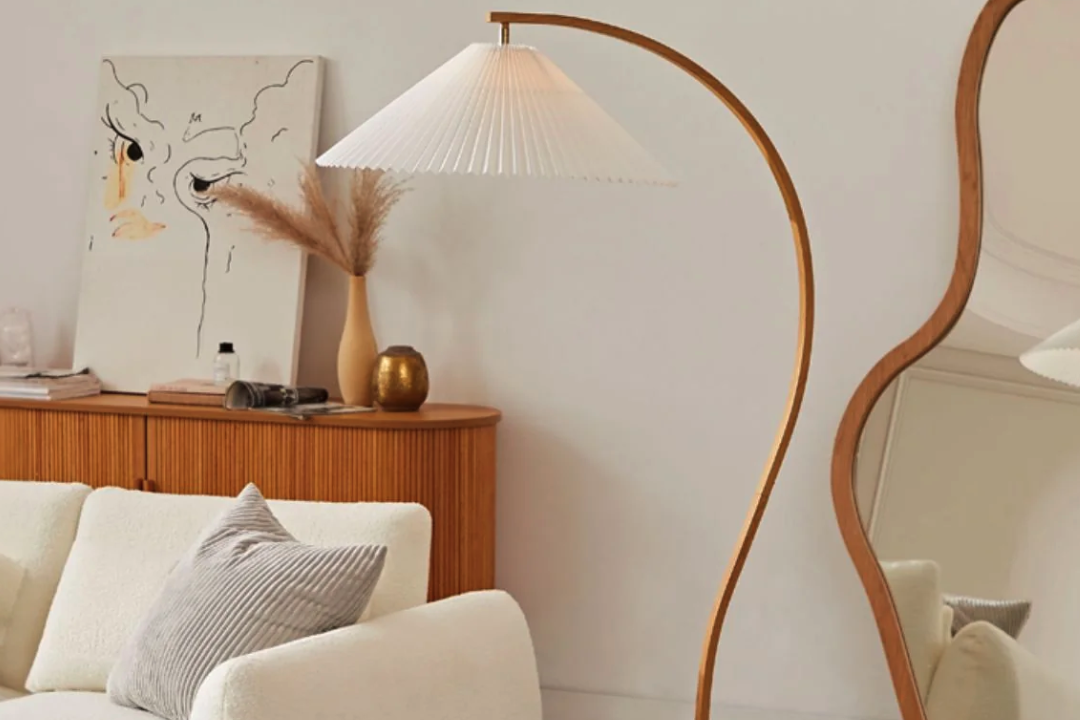
- Sculptural Form: The gentle curve of an arc lamp adds an organic, flowing line that softens the often-geometric nature of minimalist furniture. This echoes the natural forms celebrated in both Japanese and Scandinavian design.
- Functional Art: It’s not just a light source; it’s a design piece that draws the eye and creates a focal point. Its ability to direct light over a seating area or a specific corner makes it incredibly practical.
- Space-Saving Potential: While it has a presence, an arc lamp can often be positioned so its base is tucked away, allowing the light to extend over your furniture. This is a big win in smaller living rooms where every inch counts.
Choosing the Right Arc Floor Lamp for Your Japandi Space
This is where the fun, and the careful selection, begins. Not all arc lamps are created equal, and for a Japandi room, you’ll want to be deliberate with your choice.
- Material Matters: Think natural and understated.
- Wood: Look for lamps with bases and arms made from light-colored woods like oak, ash, or beech. Avoid dark, heavily stained woods unless they are a very specific accent. The wood should have a natural grain and a matte or subtly oiled finish.
- Metal: If you opt for metal, aim for brushed brass, matte black, or a subtle brushed nickel. High-gloss or polished finishes tend to be too flashy for Japandi. The metal should feel understated and well-finished.
- Shade Material: The shade is crucial. Natural fabrics like linen, cotton, or even bamboo woven shades are ideal. They diffuse light beautifully, creating a soft, warm glow. Paper shades, like those often seen in Japanese design, can also be a good fit, but ensure they are durable enough for a floor lamp.
- Scale and Proportion: This is vital. The lamp shouldn’t overpower your sofa or chairs.
- Arm Length: Measure your seating area. The arc should extend comfortably over your sofa or armchair without feeling like it’s about to tip over or be too far away to be useful.
- Height: The overall height should complement your ceiling height and the scale of your other furniture. You don’t want it to feel dwarfed or like it’s looming.
- Color Palette: Stick to the Japandi book.
- Neutral Tones: The lamp itself should be in a neutral color. Think off-white, cream, light gray, beige, or a natural wood tone. Even a matte black can work if it’s balanced with lighter elements elsewhere.
- Shade Color: The shade is usually where the softness comes in. Off-white, cream, or natural linen are classic choices.
- Simplicity in Design: Avoid anything too ornate or fussy.
- Clean Lines: The arc itself should be smooth and graceful.
- Minimalist Base: The base should be stable and unobtrusive. A simple disc, a weighted flat base, or a few strategically placed legs work well. Avoid bases with lots of decorative elements or sharp angles.
Strategic Placement: Where to Put Your Arc Lamp
Once you’ve found the perfect lamp, the next step is placing it so it enhances your living room’s flow and functionality, while also contributing to the Japandi aesthetic.
- Over the Seating Area: This is the most common and practical placement.
- Sofa Companion: Position the base behind or to the side of your sofa, with the arc extending over the seating area. This provides excellent task lighting for reading or can create a cozy ambiance for relaxation.
- Armchair Accent: If you have a favorite reading chair, an arc lamp can be its perfect partner. Place the base a little behind and to the side of the chair, so the light drapes over the seat.
- Creating a Cozy Nook: Use the lamp to define a specific zone within your living room.
- Reading Corner: If you have a dedicated reading spot with an armchair and a small side table, an arc lamp can perfectly illuminate this area, making it feel inviting and functional.
- Quiet Contemplation Space: Even without a specific piece of furniture, an arc lamp can highlight a quiet corner, suggesting it’s a place for reflection or simply enjoying the light.
- As a Gentle Divider: In larger, open-plan living spaces, the arc of the lamp can subtly suggest a division between zones.
- Bridging Areas: Imagine placing it between a seating area and a dining space, the arc visually connecting the two without a physical barrier. It creates a sense of flow and intentionality.
- Highlighting Architectural Features or Artwork:
- Subtle Accent: While Japandi isn’t about loud displays, if you have a beautiful piece of art or an interesting architectural detail (like a textured wall or a unique window), you can position the lamp to cast a soft light on it, drawing attention without being overly dramatic.
The Importance of Light Quality and Shade
The light itself, and how it’s diffused, is just as crucial as the lamp’s design and placement in achieving that coveted Japandi feel.
- Warm White Light: For that cozy, inviting atmosphere, opt for light bulbs that emit a warm white light (around 2700K to 3000K). Avoid cool, blue-toned lights, which can feel stark and detract from the warmth of the space.
- Diffused Light is Key: The shade is your best friend here.
- Soft, Even Illumination: A good shade will diffuse the light, preventing harsh glare and creating a soft, ambient glow. This is essential for a calming environment.
- Textural Interest: Natural fabric shades add subtle texture and warmth to the overall design. A woven bamboo shade can add a touch of organic artistry.
- Dimmer Functionality: If your lamp has a dimmer switch, consider it a major bonus.
- Mood Control: A dimmer allows you to adjust the light intensity, making it perfect for different times of day and different activities. You can have brighter light for reading and a softer, more subdued light for evening relaxation.
Balancing the Arc Lamp with Other Japandi Elements
The arc floor lamp isn’t going to exist in a vacuum. It needs to coexist harmoniously with the rest of your living room decor.
- Complementary Furniture:
- Low-Profile Seating: Pair your arc lamp with sofas and armchairs that have clean lines and are not too bulky. Natural wood frames or upholstery in neutral, textured fabrics are ideal.
- Natural Materials: Incorporate other natural elements like wooden side tables, rattan baskets, or linen cushions.
- Color Palette Harmony:
- Neutral Foundation: Ensure your walls, rugs, and larger furniture pieces are in a soothing neutral palette (whites, creams, beiges, grays, muted greens or blues). This will allow the arc lamp to be a subtle focal point without clashing.
- Subtle Accents: If you introduce any color, keep it muted and natural. Think dried grasses, muted terracotta, or soft olive tones.
- The Power of Negative Space:
- Embrace Emptiness: Japandi design celebrates “ma” – the concept of empty space. Don’t feel the need to fill every corner. Allow the arc of the lamp and the light it casts to create visual breathing room.
- Minimal Clutter: Keep surfaces clear. The arc lamp can help direct attention away from any potential clutter by providing a defined area of interest.
- Textural Play:
- Mix and Match: Combine different natural textures like smooth wood, soft linen, woven rattan, and perhaps a subtly textured ceramic vase. The lamp’s material should complement these.
- The Lamp’s Texture: If your lamp has a natural wood arm, it can tie in beautifully with a wooden coffee table. A linen shade will add softness against a more structured sofa.
- Biophilic Design Elements:
- Plants: Introduce a few well-chosen plants. Their organic forms and natural green hues are a perfect fit for Japandi. Place them near the lamp’s light, or use the lamp to highlight their presence.
- Natural Light: Remember that Japandi also emphasizes natural light. Position your arc lamp so it complements, rather than competes with, any natural light you have.
By thoughtfully selecting and placing your arc floor lamp, and ensuring it harmonizes with the core principles of Japandi design, you can create a living room that feels both incredibly stylish and wonderfully serene. It’s about creating a functional, beautiful space that promotes calm and well-being.