Enhance Your Master Bathroom Vanity with Accent Lighting
Master bathroom vanities are a focal point in many homes, serving both functional and aesthetic purposes. The vanity area is where daily routines are performed, from preparing for the day ahead to winding down in the evening. While the vanity itself offers storage and a workspace, its overall impact can be significantly amplified through the strategic use of accent lighting. Accent lighting differs from general or task lighting in its primary goal: to draw attention to specific features, create mood, and add depth to a space. In a master bathroom setting, accent lighting can transform a functional area into a more sophisticated and inviting sanctuary.
Light is a fundamental element in interior design, influencing perception, mood, and the visual appeal of a space. In a bathroom, the quality and placement of light are particularly critical due to the various activities that take place there. Beyond basic illumination for visibility, lighting systems contribute to the overall ambiance, which can range from spa-like tranquility to bright, invigorating functionality.
Establishing Ambiance and Mood
The primary purpose of accent lighting is to establish a particular ambiance. In a master bathroom, this often translates to creating a relaxing and spa-like atmosphere. Soft, indirect light can evoke a sense of calm and serenity, making the bathroom a place of respite. Conversely, more focused accent lighting can highlight specific design elements, adding a touch of luxury or drama. The interplay of light and shadow can also define zones within the bathroom, separating the vanity area from the shower or bathing space, for instance.
Highlighting Architectural Features and Finishes
Accent lighting is adept at drawing the eye to specific details. This could include showcasing the texture of a tile backsplash behind the vanity, illuminating a decorative mirror frame, or emphasizing the craftsmanship of the vanity cabinetry. By directing light onto these elements, accent lighting elevates their visual presence, turning them from mere components of the room into intentional design statements. This is akin to a spotlight on a stage, drawing attention to the star performer.
Enhancing Functionality Through Visual Cues
While primarily decorative, accent lighting can also subtly enhance functionality. For example, a soft glow around the base of the vanity can provide a gentle nightlight, reducing the need for harsh overhead illumination. Similarly, carefully placed accent lights can guide movement within the bathroom, making it safer and more intuitive to navigate, especially in low-light conditions.
Types of Accent Lighting for Master Bathroom Vanities
Several types of lighting fixtures are well-suited for accentuating a master bathroom vanity. The choice of fixture depends on the desired effect, the existing design of the vanity, and the overall aesthetic of the bathroom.
Integrated LED Lighting
Integrated LED lighting refers to lighting that is built directly into the vanity or its components. This can include under-cabinet lighting, shelf lighting, or even toe-kick lighting.
Under-Cabinet and Shelf Lighting
Small LED strips or puck lights installed beneath the vanity cabinets or along shelves cast a soft glow downwards. This type of lighting is effective for illuminating the countertop space without creating glare on the mirror. It also provides a sense of depth and sophistication.
Concealed Light Sources
Often, the light sources for under-cabinet and shelf lighting are concealed, meaning the light emanates from an unseen source. This technique creates a seamless and polished look, preventing the fixtures themselves from detracting from the design.
Creating a Floating Effect
When light is directed upwards or downwards from the edges of cabinetry, it can create a visual illusion of the vanity appearing to float. This imparts a sense of lightness and modernity to the space.
Toe-Kick Lighting
This subtle lighting is installed at the base of the vanity, just above the floor. It provides a gentle ambient light that is both functional as a nightlight and aesthetically pleasing.
Soft Illumination for Navigation
Toe-kick lighting offers a low-level illumination that allows for safe movement around the vanity area in the dark without disturbing sleep or requiring bright lights.
Adding a Touch of Luxury
This detail, often overlooked, can add a significant touch of luxury and professionalism to a bathroom design, similar to the subtle lighting one might find in a high-end hotel suite.
Sconces and Wall-Mounted Fixtures
Sconces are versatile lighting fixtures that mount to the wall and can be used to provide both task and accent lighting around the vanity.
Focused Illumination for Tasks
When positioned correctly on either side of a mirror, sconces can provide consistent, shadow-free light ideal for grooming tasks. However, their design and the quality of light they emit also contribute significantly to the accentuation of the vanity area.
Avoiding Glare on the Mirror
The placement of sconces is crucial to avoid direct glare on the mirror, which can be disruptive. Aiming for light that washes the wall or the user’s face directly is key.
Enhancing Mirror Frames and Artwork
Sconces can also be used to draw attention to the design of the mirror frame itself or to any artwork displayed near the vanity. The light spilling from the sconce can highlight textures and colors.
Decorative Sconces
Beyond their functional aspects, sconces come in myriad decorative styles, from minimalist modern designs to ornate traditional pieces. Selecting fixtures that complement the vanity and the bathroom’s overall decor will enhance the accent lighting effect.
Material and Finish Coordination
The materials and finishes of sconces should ideally complement the hardware and finishes on the vanity and other bathroom fixtures for a cohesive look.
Sculptural Elements
Some sconce designs are sculptural in nature, acting as decorative elements in their own right, even when not illuminated. When lit, they can cast interesting patterns on the walls, adding another layer of visual interest.
Pendant Lights and Chandeliers (Used Sparingly)
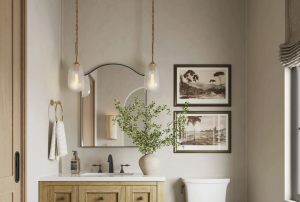
Small pendant lights or even miniature chandeliers can be used as accent lighting over a vanity, particularly in larger bathrooms or where a dramatic statement is desired.
Creating a Dramatic Focal Point
A well-chosen pendant light or small chandelier can instantly elevate the vanity area, transforming it into a focal point. This is a bolder approach to accent lighting.
Scale and Proportion
It is essential to ensure that the scale and proportion of pendant lights or chandeliers are appropriate for the size of the vanity and the bathroom. Overly large fixtures can overpower the space.
Unique Designs to Highlight
Selecting pendants or chandeliers with unique designs in terms of shape, material, or diffusion of light can effectively highlight the vanity and add a touch of personality.
Downward or Upward Illumination Preferences
The direction of light from pendants and chandeliers can be adjusted. Downward lighting can provide focused task illumination, while upward lighting can create a softer, more ambient wash of light on the ceiling, contributing to the overall mood.
Recessed Lighting with Accent Trims
While typically associated with general illumination, recessed lights can also be used for accent purposes, especially when equipped with specialized trims.
Spotlights for Specific Features
Small, adjustable recessed spotlights can be aimed at specific features, such as a decorative faucet, a vessel sink, or a textured wall.
Precise Aiming Capabilities
The ability to precisely aim these lights is crucial for effective accentuation, ensuring that the light falls exactly where intended.
Minimizing Clutter
Recessed lighting offers a clean, unobtrusive look, keeping the ceiling free of visible fixtures and thus maintaining a sense of spaciousness and order.
Gimbal or Wall-Washing Trims
Gimbal trims allow for angling the light source, while wall-washing trims are designed to distribute light evenly down a wall, highlighting its texture or color.
Emphasizing Texture and Material
Wall-washing effects are particularly effective at bringing out the nuances of materials like textured wallpaper, stone, or decorative tile.
Creating Depth and Dimension
By illuminating vertical surfaces, wall-washing can create a sense of depth and dimension within the bathroom.
Strategic Placement and Design Considerations
The effectiveness of accent lighting hinges not only on the type of fixture but also on its placement and how it integrates with the overall design of the vanity and bathroom.
Balancing Ambient, Task, and Accent Lighting
A well-designed bathroom lighting scheme incorporates a balance of three types of lighting: ambient, task, and accent.
Ambient Lighting for Overall Illumination
Ambient lighting provides the general illumination for the room, making it safe and comfortable to move around. This is typically achieved through overhead fixtures like ceiling lights or recessed lighting.
Establishing a Base Level of Brightness
Ambient light sets the baseline brightness of the room, ensuring that even corners are adequately lit.
Creating a Welcoming Atmosphere
A consistent level of ambient light contributes to a welcoming and functional atmosphere.
Task Lighting for Specific Activities
Task lighting is focused illumination for specific activities, such as applying makeup or shaving. At the vanity, this is often provided by sconces or integrated lighting.
Reducing Shadows During Grooming
Properly placed task lighting minimizes shadows cast on the face, which is essential for detailed tasks.
Ensuring Clarity and Precision
The brightness and color temperature of task lighting are important for ensuring clarity and precision in grooming activities.
Accent Lighting to Enhance and Define
Accent lighting, as discussed, is used to draw attention to specific features, create mood, and add visual interest. It is not intended to be the primary light source for tasks.
Adding Layers of Light
Layering different types of light creates a more dynamic and visually appealing environment than relying on a single source.
Guiding the Eye and Creating Interest
Accent lighting acts as a visual guide, leading the viewer’s eye to deliberate points of interest within the vanity area.
Considering Light Color Temperature and Brightness
The color temperature (measured in Kelvin, K) and brightness (measured in lumens) of light bulbs significantly impact the mood and functionality of the space.
Warm White vs. Cool White Light
- Warm White (2700K – 3000K): This mimics the light of incandescent bulbs and provides a cozy, relaxing atmosphere. It is often preferred for creating a spa-like feel.
- Cool White (4000K – 5000K): This provides a brighter, more invigorating light that is closer to natural daylight. It can be useful for task lighting but may feel harsh for accent purposes if not used carefully.
- Daylight (5000K+): This is the brightest and bluest light, best suited for areas where high visibility is paramount, but generally too stark for accent lighting in a bathroom.
Impact on Skin Tones and Makeup Application
The choice of color temperature can affect how skin tones appear and how accurately makeup is applied. Warmer tones are generally more flattering for makeup application.
Creating Desired Mood and Atmosphere
For accent lighting, warmer color temperatures are typically preferred for a more relaxing and inviting ambiance.
Dimmable Fixtures for Versatility
The ability to dim light sources offers unparalleled flexibility in controlling the ambiance of the bathroom.
Adjusting Intensity for Different Times of Day
Dimming allows for lower light levels in the evening or at night, promoting relaxation, while brighter settings can be used for daytime tasks.
Creating Subtle Variations in Mood
Dimming accent lights can subtly alter the mood of the vanity area, transforming it from a functional space to a serene retreat.
Integration with Vanity Design and Materials
The vanity itself and the materials used in its construction play a crucial role in how accent lighting is implemented and perceived.
Reflective Surfaces and Their Impact
Materials like polished stone, glossy tiles, or mirrored surfaces can reflect light, either enhancing or diminishing the effect of accent lighting.
Managing Glare Effectively
Care must be taken to manage glare from reflective surfaces, ensuring that accent lighting enhances rather than overwhelms.
Amplifying Light and Creating Sparkle
Certain reflective elements can be strategically illuminated to create a sense of sparkle and amplify the effect of the accent lighting, like adding diamonds to a crown.
Textural Elements and Their Appreciation Under Light
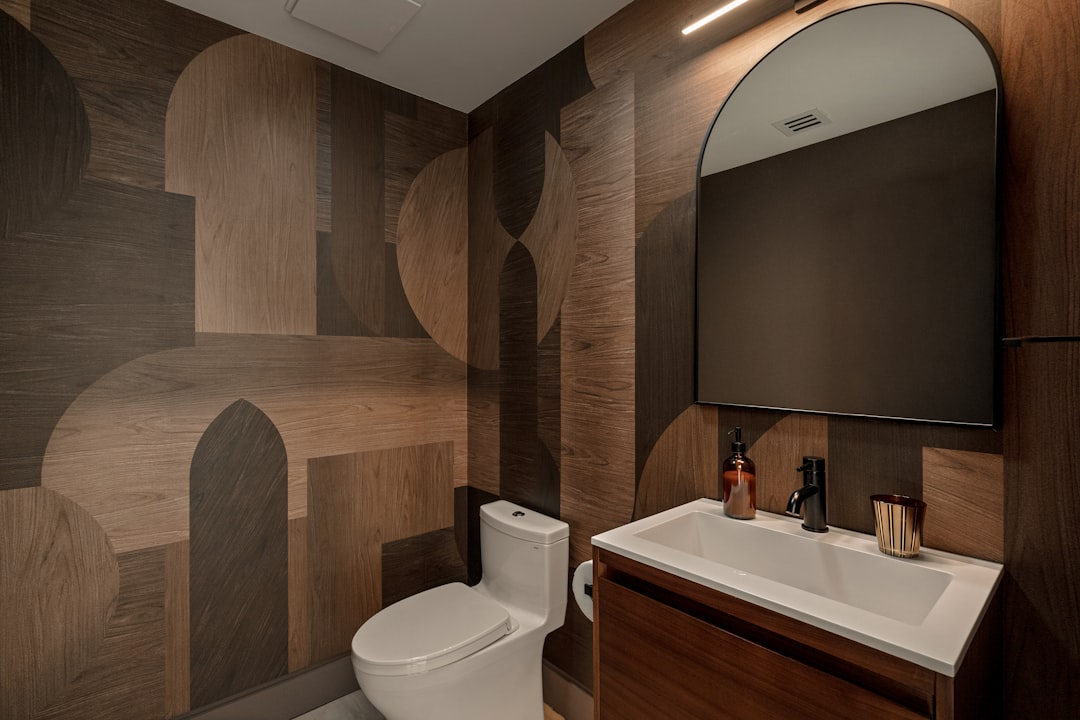
Textured materials, such as natural stone, wood grain, or decorative wallpapers, can be beautifully highlighted by accent lighting.
Revealing Depth and Detail
A light source directed at a textured surface can reveal its intricate details, depth, and natural variations.
Adding Warmth and Character
Lighting can accentuate the natural warmth and character of materials like wood, bringing out their inherent beauty.
Popular Accent Lighting Ideas for Master Bathroom Vanities
Beyond the general categories, specific applications of accent lighting can dramatically enhance a master bathroom vanity.
Under-Mirror Lighting
This technique involves placing LED strips or small lights directly above or behind the mirror, casting a soft glow downwards.
Simulating Natural Light
This can mimic the effect of natural light filtering from above, providing a flattering illumination for the face.
Avoiding Harsh Shadows
When diffused and positioned correctly, under-mirror lighting can soften facial features and minimize harsh shadows.
Creating a halo Effect
A subtle halo of light around the mirror can add a touch of elegance and sophistication to the vanity area.
Enhancing the Mirror’s Presence
This effect draws attention to the mirror, making it a more prominent design element.
Practicality for Evening Use
This provides a gentle and unobtrusive light source for nighttime use of the vanity without the need for bright overhead lights.
Backlighting for Mirrors and Artwork
Backlighting involves placing light sources behind an object, such as a mirror or a piece of art, to create a diffused glow.
Highlighting the Silhouette
This technique can define the shape or silhouette of an item, giving it an ethereal quality.
Modern and Minimalist Aesthetic
Backlit mirrors are a staple in modern and minimalist bathroom designs, contributing to a clean and uncluttered look.
Creating Depth and Dimension
The diffused light emanating from behind can push the object forward visually, creating a sense of depth.
Making Artwork Stand Out
Backlighting artwork near the vanity can make it a more impactful feature, drawing viewers into its details.
Articulating Arm Sconces
These wall-mounted fixtures feature adjustable arms, allowing for precise positioning of the light.
Flexible Illumination for Tasks
The adjustable arm makes them ideal for task lighting, as the light can be directed exactly where needed for grooming.
Customizing Light Direction
Users can easily adjust the light to suit their specific needs and preferences.
Highlighting Vanities with Sculptural Designs
For vanities with intricate details or unique materials, articulating sconces can be positioned to selectively illuminate these features.
Focusing Attention on Specific Elements
The ability to direct light allows for a highly personalized accentuation of the vanity’s most attractive attributes.
Dramatic Shadows and Spotlighting
When deliberately angled, these sconces can create dramatic shadows, adding a theatrical element to the vanity area.
Floating Vanity Illumination
For vanities that appear to float off the wall, integrated lighting can enhance this sense of lightness.
Underside Lighting for a Hovering Effect
LED strips installed on the underside of the vanity cabinet, pointing downwards, further emphasize the floating illusion.
Reinforcing the Sense of Space
This accentuates the gap between the vanity and the floor, making the vanity appear less bulky.
Concealed Lighting for a Whimsical Glow
Hidden lighting sources within the vanity’s structure can create a soft, ambient glow that draws attention to its design.
Adding a Touch of Magic
This subtle illumination can add a sense of wonder and sophistication to the bathroom.
Installation and Professional Considerations
While some accent lighting can be a DIY project, others require professional installation due to electrical work and safety considerations.
Electrical Wiring and Safety Standards
Any modification involving electrical wiring must adhere to local building codes and safety standards.
Ground Fault Circuit Interrupters (GFCIs)
Bathrooms are wet environments, and all electrical circuits in them must be protected by GFCIs to prevent electrical shock.
Preventing Electrical Hazards
GFCI outlets and breakers are crucial safety devices that can quickly shut off power if they detect an imbalance in the electrical current.
Professional Electrician Recommendations
For complex installations, such as integrated LED systems or modifications to existing wiring, consulting a qualified electrician is highly recommended.
Ensuring Code Compliance
An electrician will ensure that all work is performed to code, guaranteeing safety and preventing potential issues down the line.
Proper Integration with Existing Systems
Professionals can seamlessly integrate new accent lighting with existing bathroom electrical systems.
Integrating Lighting into Older Vanities
Adding accent lighting to existing vanities, especially older ones, may present unique challenges.
Surface-Mounted vs. Recessed Fixtures
Surface-mounted fixtures are often easier to install on existing vanities without significant alterations. Recessed fixtures may require cutting into cabinetry.
Minimizing Disruption to Existing Structure
The choice of fixture can affect the amount of modification required to the vanity’s structure.
Considerations for Material and Construction
The type of material the vanity is made from (wood, laminate, metal) will influence the installation methods and the type of hardware that can be used.
Drilling and Fastening Challenges
Some materials may be prone to cracking or damage if not drilled or fastened correctly.
Planning the Lighting Layout
Effective accent lighting requires careful planning of the layout before installation.
Mock-ups and Visualizations
Before committing to permanent fixtures, consider using temporary lighting or drawing mock-ups to visualize the effect.
Testing Different Light Intensities and Positions
This allows for experimentation with brightness levels and the precise placement of lights to achieve the desired outcome.
Considering the Visual Flow of the Room
The accent lighting should complement the overall visual flow of the bathroom, enhancing its features without creating focal points that compete with each other.
Harmonizing with Other Design Elements
The lighting plan should consider how the accent lights will interact with other decorative elements, such as mirrors, artwork, and finishes.
By thoughtfully considering the types of fixtures, their placement, and the integration with the vanity’s design, accent lighting can transform a master bathroom vanity from a mere functional surface into a captivating element of the room. It is an investment in both aesthetics and atmosphere, contributing to a more luxurious and personalized bathing experience.