Vintage Glass Illuminates Breakfast Bar
The integration of vintage glass into contemporary kitchen design, particularly at breakfast bars, offers a unique blend of aesthetic appeal and functional utility. This article explores the historical context, material characteristics, design considerations, and practical applications of vintage glass in this specific domestic setting. Readers will gain an understanding of how these elements can elevate the utility and visual impact of a breakfast bar.
The art and science of glassmaking have evolved over millennia, providing a rich tapestry of styles and techniques that inform the concept of “vintage glass.” Understanding this history is crucial to appreciating the specific qualities and potential applications of older glass pieces.
Early Glass Production
Early glass, dating back to Mesopotamian civilizations around 3500 BC, was primarily opaque and used for beads or small vessels. The Romans significantly advanced glassmaking techniques, introducing blown glass and achieving greater transparency. Their innovations allowed for the mass production of various forms, including drinking vessels and storage containers. These early forms, while rudimentary by modern standards, established foundational principles of glass manipulation.
Medieval and Renaissance Innovations
During the medieval period, stained glass reached its zenith in European cathedrals, demonstrating a mastery of color and light Lamolighting manipulation. While distinct from table glassware, this era fostered a deeper understanding of glass composition and artistic application. The Renaissance saw the refinement of clear glass production in Venice, particularly with the development of cristallo, a highly transparent and durable glass that became the benchmark for luxury glassware across Europe. This period introduced intricate decorative techniques like enameling and gilding, transforming functional objects into works of art.
Industrial Revolution and Mass Production
The 18th and 19th centuries witnessed the advent of industrialization, which revolutionized glass production. Mechanization reduced manufacturing costs and increased output, making glassware accessible to a broader population. This era saw the emergence of pressed glass, characterized by its molded patterns and affordability. Companies like Anchor Hocking and Federal Glass in the United States produced vast quantities of dinnerware and serving pieces, many of which are now considered collectible vintage items. This mass production democratized the use of glass in domestic settings, offering a diverse array of styles and patterns.
Mid-20th Century Design Movements
The mid-20th century brought new aesthetic sensibilities and technological advancements. The Art Deco period, with its geometric patterns and bold lines, influenced glass design profoundly. Later, the Mid-Century Modern movement emphasized clean lines, functionality, and organic forms. Companies like Pyrex introduced heat-resistant borosilicate glass, expanding the utility of glass beyond purely decorative purposes. Many pieces from this era, ranging from elegant decanters to robust baking dishes, are now sought after for their historical significance and enduring design.
Characteristics of Vintage Glass
Vintage glass encompasses a broad spectrum of materials and styles, each possessing distinct characteristics that differentiate it from modern counterparts. These attributes contribute to its appeal and suitability for specific applications.
Material Composition
The precise chemical composition of glass has varied throughout history, influencing its clarity, color, and durability. Early glass often contained impurities that lent it a greenish or brownish tint. Later, the introduction of lead oxide in lead crystal enhanced its brilliance and workability, allowing for intricate cutting and engraving. Soda-lime glass, the most common type, has been refined over centuries to achieve greater clarity and strength. The presence of various metal oxides can also impart specific colors, such as cobalt for blue or manganese for purple.
Aesthetic Qualities
Vintage glass often exhibits specific aesthetic qualities that are difficult to replicate with modern manufacturing techniques. These include:
- Patina: Over time, the surface of glass can develop a subtle sheen or slight imperfections that contribute to its character. This natural aging process adds depth and authenticity.
- Iridescence: Some vintage glass, particularly carnival glass, displays a multi-colored, shimmering effect caused by metallic salts applied to the surface during cooling.
- Bubbles and Imperfections: Hand-blown or early machine-made glass may contain small air bubbles or slight irregularities, which are often considered desirable markers of artisanal production rather than flaws.
- Unique Colors and Patterns: Vintage glass is available in a vast array of colors, from vibrant jewel tones to subtle pastels, often utilizing hues that are less common in contemporary production. Patterns, whether molded, cut, or etched, reflect the design sensibilities of their era.
Durability and Maintenance
The durability of vintage glass varies depending on its type and age. While some pieces, like robust pressed glass, are remarkably resilient, others, such as delicate hand-blown crystal, require careful handling. General maintenance involves gentle cleaning with mild soap and water, avoiding abrasive scouring pads or harsh chemicals that can damage the surface or remove decorative elements. It is also advisable to avoid extreme temperature changes, which can cause thermal shock and breakage.
Designing with Vintage Glass at the Breakfast Bar
Integrating vintage glass into a breakfast bar setting requires thoughtful consideration of both aesthetic coherence and practical functionality. The aim is to create a space that is both visually engaging and highly usable.
Selecting Appropriate Pieces
The selection of vintage glass elements should align with the overall design aesthetic of the kitchen. For a rustic kitchen, heavy, textured pressed glass tumblers or milk glass serving dishes might be appropriate. In a more modern setting, sleek Art Deco decanters or minimalist mid-century carafes could provide a striking contrast and focal point. Consider the following categories:
- Drinkware: Tumblers, goblets, juice glasses, and shot glasses. Varying heights and styles can add visual interest.
- Serving Ware: Small bowls for fruit or yogurt, creamer and sugar sets, butter dishes.
- Decorative Elements: Vases for small flower arrangements, decorative bottles, or even small glass sculptures.
- Lighting Fixtures: Vintage pendants or sconces with glass shades can provide ambient or task lighting.
Functional Integration
Beyond aesthetics, the practical application of vintage glass at the breakfast bar is paramount. Consider how these pieces will be used on a daily basis:
- Durability for Daily Use: For frequently used items like juice glasses, opt for more robust types of vintage glass that can withstand regular handling and cleaning.
- Storage and Accessibility: Designate specific areas for storing vintage glass items to ensure they are easily accessible while minimizing the risk of breakage. Open shelving or glass-front cabinets can display pieces effectively.
- Complementary Materials: The textures and colors of the breakfast bar surface (e.g., wood, marble, quartz) should complement the chosen vintage glass. A warm wooden surface can highlight the translucency of clear glass, while a dark countertop can make colorful glass pop.
Visual Impact and Harmony
The arrangement of vintage glass can significantly influence the overall ambiance of the breakfast bar.
- Arrangement and Grouping: Grouping similar items by color, shape, or era can create a cohesive display. Alternatively, mixing different styles can add an eclectic touch. Consider varying heights and textures within a grouping to create visual depth.
- Light Interaction: Glass objects interact dynamically with light. Position items where they can catch natural light, creating reflections and refractions that add sparkle and life to the space. Backlighting can also accentuate the form and color of translucent pieces.
- Color Palette: The colors of vintage glass should harmonize with the existing kitchen palette. A vibrant collection can serve as an accent, while more subdued tones can offer a sophisticated and understated elegance.
Practical Applications at the Breakfast Bar
The breakfast bar is a multifaceted area, serving as a dining space, a casual work surface, and often a social hub. Vintage glass elements can enhance each of these functions.
Serving Beverages
The most straightforward application of vintage glass is for serving beverages. A collection of diverse vintage tumblers or juice glasses can elevate the act of drinking water or orange juice. Consider:
- Juice Glasses: Opt for sturdy, perhaps even slightly weighty, vintage juice glasses in a range of colors. These provide a tactile experience distinct from modern lightweight alternatives.
- Coffee/Tea Cups: While less common for hot beverages, some ceramic or glass-lined “vintage” cups exist, though often a matter of specific search. Alternatively, use vintage glass saucers with contemporary mugs.
- Water Decanters: A vintage glass decanter, perhaps cut glass or with an elaborate stopper, can elevate the presentation of water, suggesting an attention to detail often overlooked in modern homes.
Displaying Food Items
Vintage glass bowls and dishes can present breakfast staples in an attractive manner, transforming everyday items into a visual feast.
- Fruit Bowls: A large, shallow pressed glass bowl can beautifully display fresh fruit, allowing the colors of the produce to interact with the glass.
- Butter Dishes and Jam Jars: Small, covered vintage butter dishes or repurposed glass jars can elegantly hold condiments, adding a touch of old-world charm.
- Cereal or Granola Dispensers: While less common, larger vintage apothecary jars could potentially be adapted to hold cereals, adding a distinctive element. Ensure easy access and hygienic seals.
Decorative Accents and Lighting
Beyond functional serving, vintage glass pieces can serve purely decorative roles, enhancing the atmosphere of the breakfast bar.
- Vases for Flowers: A small vintage vase, perhaps in a pastel or jewel tone, can hold a sprig of flowers or a small plant, bringing natural elements into the space.
- Figurines or Sculptural Elements: Small vintage glass figurines or glass art pieces can act as conversation starters or add a quirky touch to the bar.
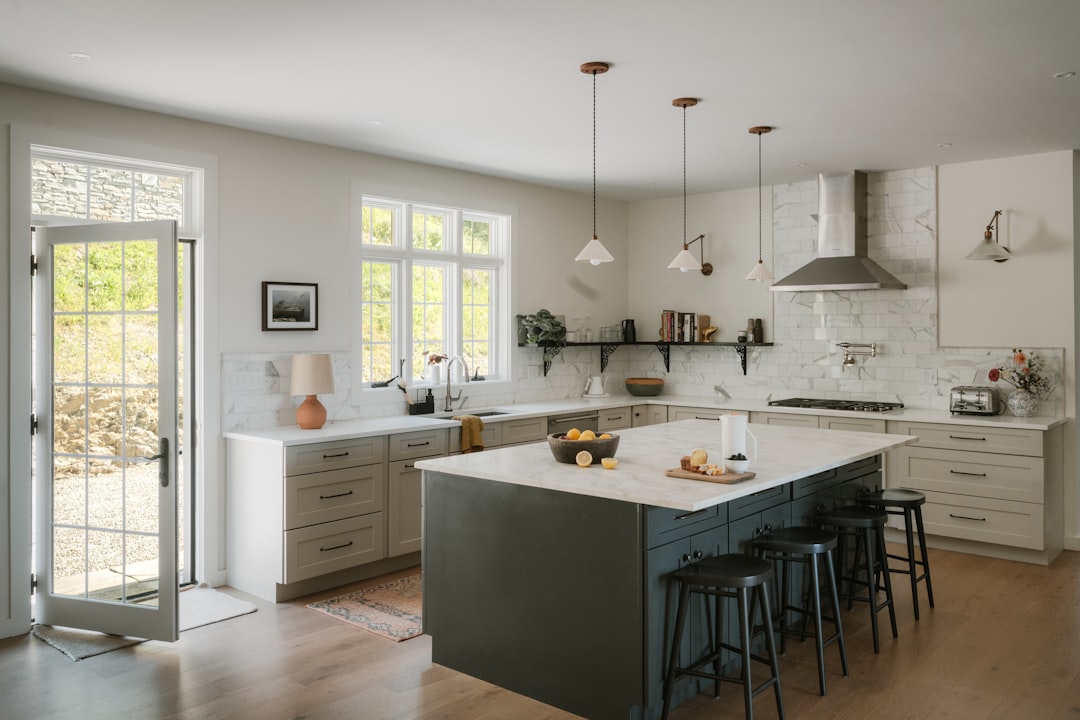
- Pendant Lighting: Vintage glass pendant lights with unique shades can provide targeted illumination for the breakfast bar while simultaneously contributing a strong design statement. The type of glass (e.g., frosted, ribbed, colored) will influence the light distribution and ambiance.
Sourcing and Authenticity
Acquiring vintage glass requires an understanding of sourcing channels and the ability to assess authenticity, differentiating genuine vintage pieces from modern reproductions.
Sourcing Channels
Several avenues exist for acquiring vintage glass, each with its own advantages and disadvantages:
- Antique Stores and Flea Markets: These locations often house a wide variety of pieces, allowing for in-person inspection and negotiation. The selection is typically curated, but prices can vary.
- Estate Sales and Auctions: These sales can offer opportunities to purchase collections or individual pieces at competitive prices. Research and prompt attendance are often necessary.
- Online Marketplaces: Websites specializing in vintage and antique items (e.g., Etsy, eBay) provide extensive inventories. It is crucial to scrutinize product descriptions and images, and to communicate with sellers regarding condition.
- Specialized Dealers: Reputable dealers often specialize in particular types of vintage glass and can offer expert advice on authenticity and value. Their prices tend to be higher due to their expertise and curated selections.
Identifying Authenticity and Condition
Distinguishing authentic vintage glass from reproductions or damaged pieces is essential for making informed purchases.
- Manufacturer Marks: Many vintage glass manufacturers imprinted marks or logos on their pieces. Familiarize yourself with common marks for desired brands (e.g., Federal Glass, Pyrex, Fenton).
- Manufacturing Techniques: Hand-blown glass will show pontil marks (the scar where the pontil rod was broken off). Pressed glass will often have mold lines. These are indicators of historical production methods.
- Wear and Patina: Genuine vintage items will often show subtle signs of age and use, such as minor scratches or slight wear on the base. A piece that appears perfectly pristine might be a reproduction.
- Glass Characteristics: Analyze the color, clarity, and presence of bubbles. Certain colors or specific types of glass (e.g., depression glass, carnival glass) have distinct characteristics that can aid in identification.
- Condition Assessment: Carefully inspect for chips, cracks, or significant damage. While minor imperfections are often acceptable for vintage items, extensive damage can compromise both aesthetic and functional value.
Conclusion
The incorporation of vintage glass at the breakfast bar is more than a mere design trend; it is a conscious decision to infuse a space with history, character, and tactile beauty. By understanding the origins, characteristics, and practical applications of these unique pieces, you, the reader, can select and integrate them thoughtfully, transforming a functional area into a compelling focal point within your home. The interplay of light, color, and form inherent in vintage glass creates an environment that is both visually stimulating and deeply personal, reflecting an appreciation for craftsmanship and enduring design.