Revamp Your Space with an American Retro Ceiling Fan Light
The evolution of ceiling fans in America is a fascinating journey that reflects broader trends in design, technology, and consumer preferences. The origins of ceiling fans can be traced back to the late 19th century, when the first electric ceiling fan was patented in 1882 by Philip Diehl. This innovation marked a significant shift from the traditional hand-operated fans that had been used for centuries.
By the early 1900s, ceiling Fiveasia fans began to gain popularity in American homes, particularly in warmer climates where they provided a much-needed respite from the heat. The design of these early fans was often ornate, featuring intricate metalwork and elaborate wood finishes that appealed to the aesthetic sensibilities of the time. As the decades progressed, the design of ceiling fans evolved alongside changing tastes and technological advancements.
The 1920s and 1930s saw the rise of Art Deco and Streamline Moderne styles, which influenced the design of ceiling fans to become more streamlined and less ornate. During this period, manufacturers began to experiment with new materials such as aluminum and plastic, which allowed for lighter and more efficient designs. The post-World War II era brought about a surge in consumerism and suburban living, leading to a boom in ceiling fan production.
Retro designs from this era often featured bold colors and geometric patterns, reflecting the optimism and vibrancy of American culture at the time. Today, American retro ceiling fans are celebrated not only for their functionality but also for their nostalgic appeal, evoking a sense of history and charm that resonates with many homeowners.
Choosing the Right American Retro Ceiling Fan for Your Space
Selecting the perfect American retro ceiling fan for your space involves several considerations that go beyond mere aesthetics. First and foremost, it is essential to assess the size of the room where the fan will be installed. A fan that is too small may struggle to circulate air effectively, while one that is too large can overwhelm a space and create an unbalanced look.
For example, a small bedroom may benefit from a fan with a blade span of 36 inches, while a larger living room might require a fan with a blade span of 52 inches or more. Additionally, the height of the ceiling plays a crucial role in determining the appropriate fan size and mounting options. For ceilings higher than eight feet, a downrod may be necessary to ensure optimal airflow.
Another critical factor to consider is the style and finish of the fan. American retro ceiling fans come in a variety of designs that can complement different interior styles, from mid-century modern to farmhouse chic. When choosing a fan, consider the existing decor and color palette of your space.
For instance, a fan with a distressed wood finish may harmonize beautifully with rustic decor, while a sleek chrome fan could enhance a contemporary setting. Furthermore, it is essential to evaluate the fan’s features, such as light kits, remote controls, and energy efficiency ratings. Some models come equipped with integrated LED lighting, which can provide both illumination and energy savings.
By carefully considering these factors, homeowners can select a retro ceiling fan that not only enhances their space but also meets their functional needs.
Installing Your American Retro Ceiling Fan
The installation process for an American retro ceiling fan can vary depending on the complexity of the model and the existing electrical setup in your home. Before beginning installation, it is crucial to turn off the power at the circuit breaker to ensure safety during the process. If you are replacing an existing light fixture with a ceiling fan, you will need to remove the old fixture and prepare the electrical box for the new fan.
It is advisable to use a fan-rated electrical box that can support the weight and movement of the fan. Once you have prepared the electrical box, follow the manufacturer’s instructions for assembling the fan components. This typically involves attaching the blades to the motor housing and securing any light kits if applicable.
After assembling the fan, carefully lift it into place and connect the wiring according to color codes—usually black to black (or red), white to white, and green or bare copper to ground. Once all connections are secure, mount the fan to the electrical box using screws provided in the installation kit. Finally, restore power at the circuit breaker and test your new ceiling fan to ensure it operates correctly.
For those who may feel uncomfortable with electrical work or installation tasks, hiring a professional electrician is always a wise choice. An experienced electrician can ensure that your ceiling fan is installed safely and correctly while also providing guidance on any additional features or settings that may enhance your experience.
Benefits of Using an American Retro Ceiling Fan
American retro ceiling fans offer numerous benefits that extend beyond their nostalgic charm. One of the primary advantages is their ability to improve air circulation within a room. By creating a gentle breeze, these fans can help regulate indoor temperatures, making spaces feel cooler during hot months without relying solely on air conditioning systems.
This not only enhances comfort but can also lead to significant energy savings over time. In addition to their cooling capabilities, retro ceiling fans can also contribute to improved indoor air quality. By promoting air circulation, they help prevent stagnant air from accumulating in corners and crevices, which can lead to mold growth and other air quality issues.
Furthermore, many modern retro fans are designed with energy-efficient motors that consume less electricity than traditional models, making them an environmentally friendly choice for homeowners looking to reduce their carbon footprint. Another notable benefit is their versatility in design. American retro ceiling fans come in various styles and finishes that can seamlessly integrate into different decor themes.
Whether you prefer a classic wooden design or a sleek metallic finish, there is likely a retro fan that will complement your home’s aesthetic while providing functional benefits.
Maintenance Tips for Your American Retro Ceiling Fan
To ensure that your American retro ceiling fan continues to operate efficiently and looks great over time, regular maintenance is essential. One of the simplest yet most effective maintenance tasks is cleaning the fan blades regularly. Dust and debris can accumulate on blades over time, which not only affects airflow but can also lead to an unappealing appearance.
To clean your fan blades, use a soft cloth or microfiber duster while ensuring that the fan is turned off. For stubborn grime or grease buildup—especially in kitchens—consider using a mild soap solution or specialized cleaner designed for ceiling fans. Another important aspect of maintenance involves checking for any loose screws or components periodically.
Over time, vibrations from regular use can cause screws to loosen, which may lead to wobbling or noise during operation. Inspecting your fan every few months allows you to tighten any loose parts before they become problematic. Additionally, if your fan has a light kit, check the bulbs regularly and replace any burnt-out bulbs promptly to maintain optimal lighting conditions.
If you notice any unusual noises or performance issues with your ceiling fan—such as wobbling or inconsistent speeds—it may be time to consult with a professional technician who specializes in ceiling fan repairs. Addressing these issues early on can prevent more significant problems down the line.
Incorporating Your American Retro Ceiling Fan into Your Home Decor
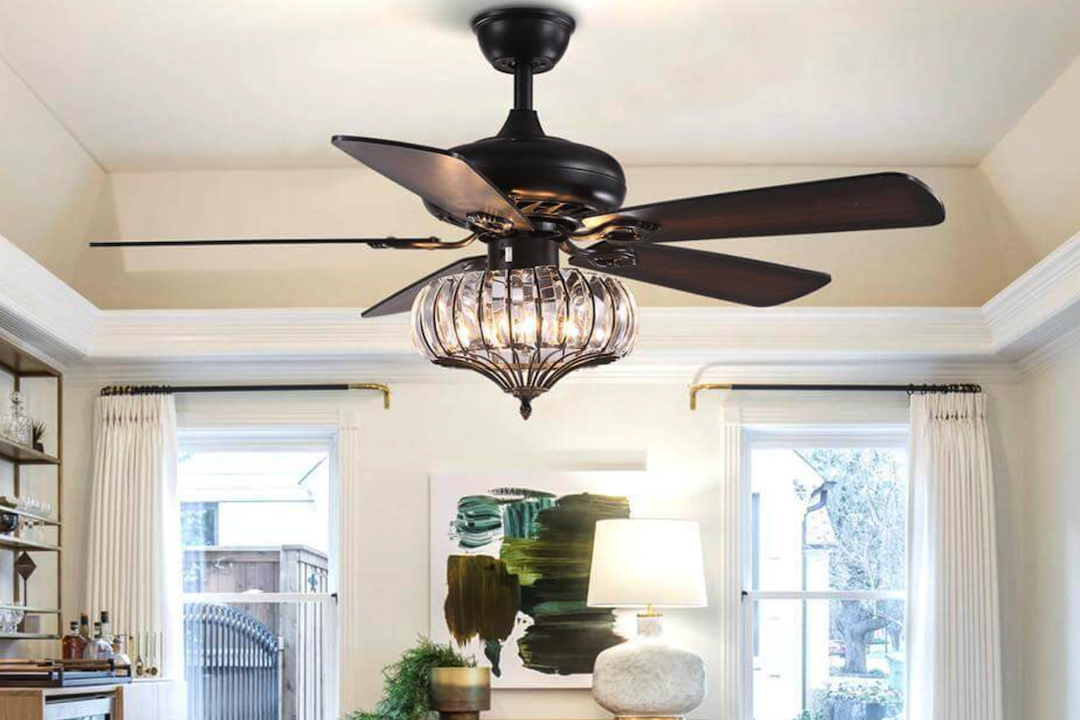
Incorporating an American retro ceiling fan into your home decor requires thoughtful consideration of both style and placement. The key is to ensure that your chosen fan complements existing furnishings while also serving as a focal point in the room. For instance, if you have vintage-inspired decor featuring warm wood tones and soft fabrics, selecting a fan with wooden blades or antique finishes can create visual harmony within the space.
Placement is equally important when it comes to maximizing both functionality and aesthetics. In larger rooms such as living areas or dining rooms, centering the fan over seating areas can enhance airflow where it’s needed most while drawing attention to this stylish fixture. Conversely, in smaller spaces like bedrooms or home offices, opting for smaller fans with lower profiles can help maintain an open feel without overwhelming the room.
Additionally, consider using complementary decor elements around your ceiling fan to create cohesion throughout your space. For example, if your retro fan features brass accents, incorporating brass light fixtures or decorative accessories can tie together various elements within your room’s design scheme.
Energy Efficiency and Cost Savings of American Retro Ceiling Fans
Energy efficiency is one of the most compelling reasons homeowners choose American retro ceiling fans over traditional cooling methods like air conditioning units. Many modern retro fans are equipped with energy-efficient motors that consume significantly less electricity than older models or other cooling appliances. This efficiency translates into lower utility bills during warmer months when cooling needs are at their peak.
Moreover, using ceiling fans in conjunction with air conditioning systems can lead to even greater energy savings. By setting your thermostat a few degrees higher while running your ceiling fan simultaneously, you can create a comfortable environment without overworking your air conditioning unit. This practice not only reduces energy consumption but also extends the lifespan of your HVAC system by alleviating some of its workload.
In addition to direct cost savings on energy bills, many utility companies offer rebates or incentives for homeowners who invest in energy-efficient appliances like ceiling fans. Researching local programs can provide additional financial benefits while promoting sustainable living practices within your community.
Where to Find the Best American Retro Ceiling Fans
Finding high-quality American retro ceiling fans involves exploring various retail options both online and in physical stores. Major home improvement retailers such as Home Depot and Lowe’s often carry an extensive selection of ceiling fans across different styles and price points. These stores typically feature well-known brands that prioritize quality craftsmanship and energy efficiency.
Online marketplaces like Amazon provide an even broader range of options for consumers seeking specific styles or features in their retro ceiling fans. Customer reviews on these platforms can offer valuable insights into product performance and durability based on real-world experiences from other buyers. Specialty lighting stores or local boutiques may also carry unique selections of American retro ceiling fans that stand out from mass-produced options found at larger retailers.
Shopping at these establishments allows homeowners to discover distinctive designs while supporting local businesses. Ultimately, whether shopping online or in-store, it’s essential to compare prices and read customer reviews before making a purchase decision. By doing so, you can ensure that you find not only an aesthetically pleasing retro ceiling fan but also one that meets your functional needs and budgetary constraints.